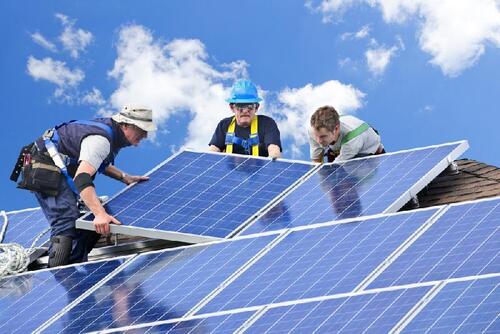
Homeowners who want more control over household energy use are increasingly considering solar power as part of a long-term energy plan. A properly designed system can generate electricity directly from sunlight while reducing the amount of power a home needs to purchase from the utility grid.
Professional solar installation in Pasadena, CA involves much more than attaching panels to a roof. System size, roof condition, sunlight exposure, electrical capacity, equipment selection, and future household energy demand all influence how well a solar system can perform.
Quality Power Solutions provides solar energy solutions designed around individual property conditions and household electricity needs. Careful planning can help homeowners choose a system that works with the home rather than relying on a generic panel layout.
Start With Your Household Energy Needs
The first step in planning solar should be understanding how much electricity the home actually uses.
Electric bills can help identify typical consumption patterns throughout the year. Some households have relatively consistent usage, while others experience significant changes during hotter or colder months.
Professional solar planning should also consider equipment such as:
- HVAC systems
- Electric water heaters
- Kitchen appliances
- Home office equipment
- Pool equipment
- Electric vehicle chargers
- Additional future appliances
Homeowners considering residential solar installation in Norwalk can benefit from the same type of energy assessment before choosing a system.
A system designed around actual consumption is generally more useful than selecting an arbitrary number of panels.
Why Roof Condition Matters Before Solar Installation
Solar panels are intended to remain in place for many years, which makes the condition of the roof an important part of planning.
Before installation begins, the roof should be evaluated for age, material condition, structural suitability, slope, and available space.
If major roof repairs or replacement may be needed soon, completing that work before installing solar can help avoid unnecessary removal and reinstallation later.
Professional rooftop solar installation in Pasadena, CA should therefore consider both solar performance and the physical condition of the structure supporting the system.
Sunlight and Panel Placement Affect Performance
Not every section of a roof receives the same amount of sunlight.
Nearby trees, neighboring structures, roof orientation, architectural features, and seasonal shading can all influence solar exposure.
A professional installer should assess these conditions before determining panel placement.
Best solar system installation in Pasadena, CA should focus on developing a layout that makes good use of available roof space while accounting for the property’s actual sunlight conditions.
Placing more panels in poorly positioned areas does not necessarily create better results than designing the system carefully from the beginning.
Understanding the Main Parts of a Solar System
Solar panels are only one part of a residential solar energy system.
Several components need to work together for electricity to be generated and used effectively.
A typical system may include:
- Solar panels
- Roof mounting equipment
- Inverters
- Electrical wiring
- Disconnects
- Monitoring equipment
- Connections to the electrical panel
Professional solar panel installation in Pasadena, CA includes coordinating these components rather than treating each one as a separate project.
The system should be designed so electricity produced by the panels can be converted, monitored, and integrated safely with the home’s electrical system.
Why Electrical Capacity Should Be Reviewed
Adding solar involves connecting new equipment to the property’s electrical infrastructure.
The existing electrical panel and related components should therefore be considered during system planning.
Older properties or homes with significant electrical demand may require closer evaluation before solar equipment is connected.
Professional rooftop solar installation in Pasadena, CA should include appropriate coordination between the rooftop equipment and electrical system.
Homeowners planning future improvements such as EV charging, electric appliances, or major remodeling should mention those plans early so the solar design can account for potential changes in electricity use.
Plan for Future Energy Demand
Solar should not be designed only around today’s electricity usage if the homeowner expects major changes.
For example, purchasing an electric vehicle may significantly increase household demand. Replacing gas appliances with electric models or adding another HVAC system can also change future consumption.
Professional residential solar system design in Pasadena, CA should consider realistic future needs when appropriate.
This does not mean every homeowner should install the largest possible system. Instead, future plans should be part of the discussion before final equipment selections are made.
Solar Monitoring Helps Track Performance
Modern solar systems often include monitoring tools that allow homeowners to review energy production.
Monitoring can make it easier to understand how the system performs throughout different seasons and weather conditions.
A sudden or unusual decline in production may indicate that the system needs inspection.
Homeowners should learn how to use the monitoring platform provided with their system and understand what normal production may look like for their specific installation.
Tracking performance helps turn solar from a passive rooftop feature into an energy system homeowners can better understand.
Build a Solar System Around Your Pasadena Home
A successful solar project begins with careful planning rather than simply maximizing the number of panels on the roof.
Professional solar installation in Pasadena, CA should consider electricity consumption, roof condition, sunlight, electrical capacity, system components, and future household needs.
Quality Power Solutions provides solar energy solutions intended to help homeowners develop systems around individual property conditions.
Whether the goal is to reduce reliance on grid electricity, prepare for future electrical demand, or make greater use of renewable energy, professional design and installation can help create a system better suited to long-term home energy use.
Frequently Asked Questions
How Do I Know if My Pasadena Home Is Suitable for Solar?
A professional assessment can review roof condition, available space, shading, sunlight exposure, electrical capacity, and household energy usage.
How Is Solar System Size Determined?
System size generally depends on electricity consumption, available installation space, panel output, sunlight conditions, and the homeowner’s energy goals.
Can Solar Be Installed on an Older Roof?
It may be possible, but the roof should first be evaluated to determine whether repairs or replacement are advisable before solar equipment is installed.
Does Solar Work When It Is Cloudy?
Solar panels can still produce electricity under cloudy conditions, although output may be lower than during strong direct sunlight.
Should I Consider Future EV Charging Before Installing Solar?
Yes. If you expect to add an electric vehicle or other major electrical equipment, discussing those plans during system design can help account for future energy demand.