
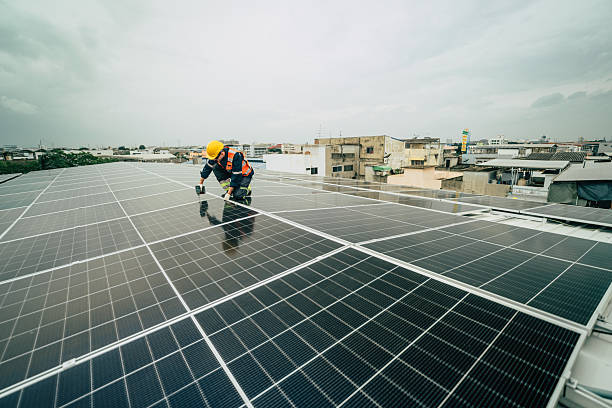
Homeowners looking for cleaner energy and better control over electricity costs are increasingly considering solar power. Quality Power Solutions provides Solar Installation Services designed around a property’s energy needs, roof structure, and long-term performance goals. A properly planned system can help homeowners generate renewable energy while making better use of available rooftop space.
For homes in Calabasas and Northridge, solar planning should involve more than simply placing panels on a roof. Factors such as roof condition, sunlight exposure, system design, installation quality, and future energy requirements all influence how well a solar system performs. Taking time to evaluate these factors can lead to a more practical and dependable energy solution.
Evaluating Your Home Before Solar Installation
A successful solar project starts with understanding the property. The roof structure, available space, energy consumption, and long-term goals all affect how a system should be designed.
Assessing Roof Structure and Energy Requirements
Before selecting equipment, homeowners should understand whether the existing roof can support the planned installation and whether its layout provides suitable space for solar panels.
- Review the existing roof condition before installation.
- Identify suitable areas for panel placement.
- Consider the household’s current electricity requirements.
- Plan for future changes in energy consumption.
For Solar Maintenance Services in Calabasas, CA evaluating the property first helps create a system that matches the home’s actual requirements. Quality Power Solutions states that its approach begins by evaluating energy needs, roof structure, and long-term efficiency goals.
Choosing the Right Solar Panel Configuration
Solar panels are only one part of a complete energy system. Their positioning, number, and relationship with the property’s roof can affect the amount of electricity the system can generate.
Improving Sunlight Capture Through Smart Placement
A carefully planned panel layout can make better use of available sunlight. Roof shape, orientation, usable space, and surrounding conditions should all be considered during the design stage.
- Use available roof space efficiently.
- Consider the property’s sunlight exposure.
- Avoid unnecessary shading where possible.
- Match the system size with expected energy use.
Quality equipment combined with appropriate placement can contribute to consistent power generation. A properly designed solar energy system can also make it easier for homeowners to understand how their renewable energy investment supports everyday electricity needs.
Combining Solar Power With Energy-Efficient Roofing
Solar panels and roofing should be considered together when a roof also needs improvement. A durable roof can provide an appropriate foundation for a long-term energy upgrade.
Creating a More Efficient Building Envelope
Energy-efficient roofing can help regulate indoor temperatures and reduce unnecessary energy consumption. When roofing improvements and solar technology are planned together, homeowners can address both energy generation and efficiency.
- Evaluate insulation and ventilation requirements.
- Consider heat-reflective roofing materials.
- Coordinate roofing work with panel installation.
- Choose materials designed for long-term performance.
For Solar System repair in Northridge, CA combining solar planning with roofing considerations can create a more complete approach to residential energy efficiency. The website specifically describes energy-efficient roofs as systems intended to improve insulation, temperature regulation, and long-term energy performance.
Understanding Solar System Performance
Homeowners should consider how a solar system will perform over time rather than focusing only on its initial installation. Equipment quality, system design, and regular attention can all contribute to dependable operation.
Planning for Long-Term Energy Production
A solar system should be sized and configured according to the property’s energy needs. Understanding expected electricity use can help homeowners avoid choosing a system that is poorly matched to the home.
- Review historical electricity consumption.
- Consider expected future energy requirements.
- Select equipment appropriate for the property.
- Monitor system performance after installation.
Modern solar technology can provide a practical way to generate renewable electricity while reducing reliance on conventional power sources. Good planning also helps homeowners understand what their system is designed to accomplish.
Coordinating Roofing and Solar Projects
When a roof replacement or major roofing work is also required, the order and coordination of the projects become important. Installing panels on a roof that needs immediate replacement can create additional work later.
Managing Installation Around Existing Roof Conditions
Homeowners should determine whether the roof is ready for solar before finalizing the project. If repairs or replacement are needed, coordinating both parts of the work can make the overall process more efficient.
- Inspect the roof before finalizing panel placement.
- Address structural or surface problems first.
- Coordinate roofing and solar installation schedules.
- Confirm how panels will be integrated with the finished roof.
Quality Power Solutions’ website describes solar roofing and solar installation as part of its broader residential energy solutions, with attention to roof structure and installation requirements.
Improving Residential Energy Efficiency
Solar power can be one part of a larger strategy for improving how a home uses energy. Combining renewable energy generation with efficient building improvements can help homeowners approach electricity use more strategically.
Building a Practical Energy Strategy
Homeowners can look beyond panel installation and consider other improvements that influence energy consumption. Better insulation, efficient roofing, and responsible energy use can complement a solar system.
- Identify major sources of household energy consumption.
- Improve insulation where appropriate.
- Consider efficient roofing solutions.
- Review energy goals before selecting system capacity.
The goal of Solar Installation Services should not simply be adding panels to a roof. It should be creating an energy solution that fits the property’s structure, electricity needs, and long-term efficiency objectives.
Conclusion
A well-planned solar project can help homeowners generate renewable electricity while improving their approach to long-term energy use. Roof condition, panel placement, system sizing, equipment quality, and energy efficiency should all be considered before installation.
For homeowners in Calabasas and Northridge, working through these factors can make a solar upgrade more practical and dependable. Quality Power Solutions focuses on customized solar energy solutions, professional installation, and energy-efficient roofing options designed around individual properties.
FAQs
How do solar panels help homeowners?
Solar panels convert sunlight into electricity that can be used by the home, helping homeowners generate renewable energy and potentially reduce dependence on conventional electricity.
Should my roof be inspected before installing solar panels?
Yes. The roof’s condition, structure, available space, and layout should be evaluated before installation so the solar system can be appropriately planned.
How many solar panels does a home need?
The required number depends on factors such as household electricity consumption, panel efficiency, available roof space, and the desired system capacity.
Can solar installation be combined with roofing improvements?
Yes. When roofing work is also needed, coordinating the projects can help ensure the roof and solar system are planned together.
Is solar power useful for improving energy efficiency?
Solar power primarily generates electricity, while insulation, efficient roofing, appliances, and other improvements can reduce energy consumption. Combining these approaches can support broader household energy goals.