Solar energy gives homeowners and businesses another way to manage electricity use. A properly planned solar system can turn sunlight into usable power and help reduce reliance on grid electricity. However, results depend on roof conditions, energy consumption, system size, and local utility policies.
Quality Power Solutions helps property owners explore solar energy options that match their buildings and electrical needs. Before starting a project, homeowners should review their electricity bills, roof condition, and available installation space. These details help determine whether a solar system suits the property.
Choosing reliable solar installation involves more than comparing equipment prices. You should also consider system design, inverter quality, workmanship, warranties, and long-term maintenance. Furthermore, understanding how the system connects to the electrical supply can help you make informed decisions.
Santa Clarita, CA, receives substantial sunshine throughout the year, making solar worth evaluating for many properties. Pasadena, CA, also offers opportunities for solar adoption, although roof orientation, shading, and local requirements vary from one building to another.
A carefully planned solar project begins with realistic expectations and a clear understanding of the installation process. By reviewing your options and asking the right questions, you can choose a system designed around your property’s needs.
Understanding Solar Power Systems
Solar power systems use photovoltaic panels to convert sunlight into electricity. The panels generate direct current, while an inverter converts that electricity into alternating current for typical household and commercial use.
The final system may include panels, an inverter, mounting equipment, electrical protection, monitoring tools, and optional battery storage. Each component plays a role in performance and safety. Therefore, selecting compatible equipment matters as much as choosing the panels themselves.
How Solar Installation Works
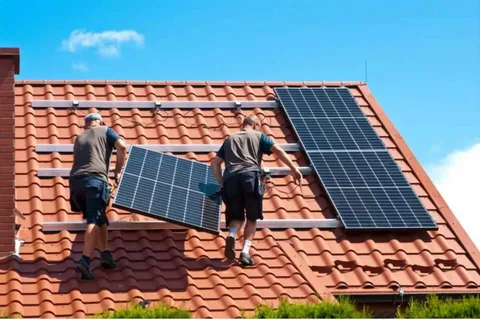
A professional expert solar installation services project usually begins with an assessment of electricity use and site conditions. The installer checks roof structure, shading, electrical equipment, and available panel space. These findings help determine the appropriate system size.
Next, the installer develops a design and identifies any permits or utility approvals required. After approval, the team installs the mounting system, panels, wiring, and inverter. Electrical inspections and utility interconnection steps may follow before the system operates as intended.
Homeowners should understand several basic components:
- Solar panels: Capture sunlight and produce electricity.
- Inverter: Converts the panels’ direct current into usable alternating current.
- Mounting equipment: Secures panels to the roof or another approved structure.
- Monitoring system: Tracks production and can help identify performance changes.
- Battery storage: Stores available electricity for later use when the system includes a compatible battery.
However, solar panels do not automatically provide backup power during an outage. Backup capability depends on the system design, inverter configuration, and battery equipment.
Understanding these details helps property owners evaluate proposals and avoid assumptions about system performance.
Planning Solar Installation in Santa Clarita and Pasadena
A solar system should match the building rather than follow a one-size-fits-all design. Roof size, roof age, shade, electricity demand, and utility rules can affect the installation plan. Consequently, a detailed site assessment is a useful first step.
Choosing the Right Solar Installation Plan
Homeowners researching affordable solar installation should compare the complete proposal, not only the price per panel. A lower initial cost may not include the same equipment, monitoring features, warranties, or electrical upgrades as another quote.
For properties in Santa Clarita and Pasadena, ask installers to evaluate roof orientation and nearby trees or structures. Additionally, check whether the roof needs repairs before the team installs mounting equipment. Completing necessary roof work first may prevent avoidable disruption later.
Use these five practical steps:
- Review electricity bills: Understand monthly consumption and seasonal changes.
- Inspect the roof: Check its condition and expected remaining service life.
- Assess shading: Identify trees, chimneys, and buildings that block sunlight.
- Compare system designs: Review panel capacity, inverter specifications, and estimated production.
- Confirm local requirements: Ask about permits, inspections, and utility interconnection.
Moreover, request written production estimates and ask which assumptions support them. Actual output can vary with weather, shade, equipment performance, and system maintenance.
A qualified installer should explain the design in plain language and identify any limits. This helps you make a decision based on your property’s conditions rather than broad savings promises.
Solar Maintenance and Repair Services
Solar panels generally require limited routine maintenance, but the entire system still needs attention. Dust, leaves, shading, loose connections, or equipment faults can affect performance. Regular monitoring helps homeowners notice changes before they become larger concerns.
Recognizing When Your System Needs Attention
Professional solar repair services can help investigate reduced production, inverter alerts, or visible equipment damage. However, lower output does not always mean a panel has failed. Seasonal sunlight changes, temporary shading, and monitoring errors can also affect reported results.
Homeowners should review their monitoring app and compare current output with previous periods under similar conditions. If the system shows persistent warnings or unusual production drops, contact a qualified technician.
These five practices support reliable operation:
- Check monitoring data: Look for sustained changes in energy production.
- Review inverter alerts: Record error messages before contacting a technician.
- Inspect from the ground: Look for obvious damage without climbing onto the roof.
- Keep the area clear: Manage nearby vegetation that creates new shade.
- Schedule professional checks: Ask a qualified provider to investigate electrical concerns.
Furthermore, avoid opening inverters, handling exposed wiring, or attempting roof repairs yourself. Solar equipment can carry electrical risks, even when the main utility supply is disconnected.
Good maintenance starts with observation and timely professional help. It does not require homeowners to perform hazardous electrical work.
Solar Panel Repair and System Performance
A solar system may continue operating even when one component has a problem. For example, an inverter fault can interrupt energy conversion, while shading or a damaged panel can reduce output. Identifying the cause helps prevent unnecessary replacements.
What to Know About Solar Panel Repair
Professional solar panel repair in Pasadena CA begins with diagnosis rather than guesswork. A technician may review monitoring records, inspect visible components, and test relevant electrical equipment using appropriate safety procedures.
Repair options depend on the fault, equipment age, warranty terms, and availability of compatible parts. Sometimes, a connection or inverter issue explains the problem. In other cases, the damaged panel or mounting hardware may need replacement.
Keep these five points in mind:
- Record the symptoms: Note when production dropped and whether warnings appeared.
- Check warranty coverage: Review panel, inverter, and workmanship documents.
- Request a diagnosis: Ask the technician to explain the cause and proposed solution.
- Compare repair and replacement: Consider cost, compatibility, and remaining equipment life.
- Keep service records: Save inspection reports, invoices, and replaced-part details.
Additionally, ask whether the repair could affect the system warranty. A qualified provider should explain the work and identify any relevant limitations before starting.
Homeowners can learn more about the technology behind solar electricity through this overview of photovoltaic systems. For an existing system, however, equipment documentation and a professional assessment provide more specific guidance.
Improving Solar Value Over Time
Installing solar panels is a long-term property decision. The system’s value depends on how much electricity it produces, how the household uses that power, and the applicable utility billing arrangement.
Practical Ways to Support Long-Term Performance
Professional solar installation services should include clear guidance on system operation, monitoring, and maintenance. Ask the installer how to check production and whom to contact if the system stops reporting data.
Consider these five ways to manage your system:
- Use electricity thoughtfully: Run flexible appliances during productive daylight hours when practical.
- Track system output: Review monthly production to identify unusual changes.
- Maintain clear exposure: Manage vegetation that may shade the panels.
- Understand utility billing: Check current rates, export credits, and interconnection rules.
- Review system documentation: Keep equipment manuals and warranty information accessible.
Quality Power Solutions is a company property owners can contact when exploring solar power options. Before making a commitment, confirm the exact services offered, licensing, insurance, equipment specifications, and written warranty terms.
Additionally, ask for a clear explanation of expected production and estimated costs. Savings depend on system output, electricity prices, financing, utility policies, and household consumption. Therefore, avoid treating estimated savings as guaranteed results.
A well-maintained system can continue serving a property for many years, but components may have different service lives. Planning for monitoring, maintenance, and possible equipment replacement supports better long-term decisions.
Conclusion
Solar power can help property owners generate electricity on-site and manage their energy use. However, the benefits depend on the building, system design, equipment quality, and local utility arrangements. A thoughtful assessment helps establish realistic expectations before installation begins.
Homeowners in Santa Clarita and Pasadena should start by reviewing their electricity bills and checking roof conditions. Next, compare written proposals that explain system size, equipment, estimated production, installation costs, and warranty coverage. Furthermore, confirm local permitting and utility interconnection requirements before approving the project.
If you need reliable solar repair services in Santa Clarita, CA, investigate the symptoms and arrange a professional assessment before replacing equipment. The same careful approach applies to properties in Pasadena. Ask for a clear diagnosis, a written repair estimate, and an explanation of any warranty implications.
Long-term performance also depends on regular monitoring and timely attention to faults. Keep your system records organized, review production trends, and avoid attempting electrical repairs without proper qualifications.
Ultimately, a solar project should fit your property’s practical needs and financial plans. By comparing proposals carefully and understanding ongoing responsibilities, you can make a more informed choice about solar energy.
FAQs
How much does solar installation cost in Santa Clarita, CA?
The cost depends on system size, equipment, roof conditions, electrical upgrades, and battery storage. Request a site-specific quote with itemized costs.
Is solar power suitable for homes in Pasadena, CA?
It can be suitable for many properties. Roof orientation, shading, energy use, and utility policies affect the system’s potential benefits.
How can I tell if my solar panels need repair?
Look for sustained production drops, inverter warnings, monitoring errors, or visible damage. Contact a qualified technician to diagnose the cause.
Do solar panels work during a power outage?
Standard grid-connected systems often shut down during outages for safety. Backup power generally requires compatible equipment, such as a suitable inverter and battery.
How often should a solar system be maintained?
Check monitoring data regularly and arrange professional inspections when needed or recommended by the manufacturer. Local conditions and equipment requirements determine the appropriate maintenance schedule.