Switching to solar energy can help homeowners make better use of California’s abundant sunshine while reducing their reliance on conventional electricity. A successful solar project, however, requires more than placing panels on a roof. Roof condition, sunlight exposure, electrical requirements, and household energy consumption all influence how well a system performs. Quality Power Solutions provides residential solar installation and energy-efficient roofing services to help homeowners plan practical improvements for their properties.
Whether you are considering solar panels for the first time or preparing an existing roof for a new system, careful planning can help you avoid unnecessary complications. Understanding the installation process, evaluating your home’s needs, and choosing suitable equipment are important steps toward a dependable solar energy system.
Why Consider Residential Solar Installation?
Solar panels convert sunlight into electricity that can help power everyday household activities. Depending on your energy usage, system design, utility rates, and local billing arrangements, generating electricity at home may reduce the amount of power you need to purchase from the grid.
Solar installation can offer several potential advantages:
- Renewable electricity: Generate power from sunlight rather than relying entirely on conventional electricity sources.
- Potential energy savings: Reduce grid electricity consumption when your system produces power that your household can use.
- Improved energy planning: Review your electricity usage and consider whether solar generation or battery storage suits your needs.
- Long-term property improvements: Integrate solar technology into a broader plan for roof maintenance and home energy efficiency.
- Greater awareness of consumption: Monitor system production and identify opportunities to use electricity more efficiently.
Actual savings vary according to system size, roof orientation, shading, equipment, utility rates, and applicable incentives. A property-specific assessment is more useful than relying on generic savings estimates.
What to Evaluate Before Installing Solar Panels
A solar system should be designed around the property rather than selected solely by the number of panels. Several factors influence installation decisions and expected performance.
Roof Condition and Structural Readiness
Before installing panels, evaluate the roof’s age, condition, materials, and available mounting locations. If the roof needs replacement or substantial repairs, completing that work before installing solar panels may help prevent the expense of removing and reinstalling equipment later.
Roof penetrations, flashing, mounting hardware, and waterproofing also deserve attention. Proper installation helps protect the roof while supporting the solar array. Where necessary, discuss structural requirements with qualified professionals before construction begins.
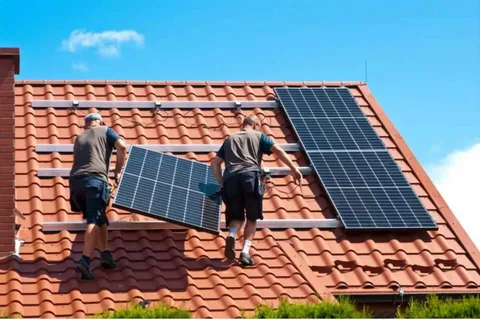
Quality Power Solutions also offers professional solar installation services that account for roof readiness, panel positioning, electrical integration, and final system checks.
Sunlight Exposure and Panel Placement
The amount of sunlight reaching your roof affects how much electricity your panels can generate. Roof orientation, pitch, nearby trees, neighboring buildings, and shading patterns can all influence system design.
An assessment should identify usable roof sections and determine whether obstructions may limit production at different times of day. Panel placement should balance available sunlight, practical mounting locations, and the property’s existing roof layout.
Electrical Requirements and System Design
Solar panels form only one part of a complete solar energy system. Inverters, wiring, protective equipment, and connections to the home’s electrical system must work together correctly.
The appropriate configuration depends on household consumption, the existing electrical setup, and the system’s intended capacity. Homeowners interested in battery storage should also discuss backup requirements, equipment compatibility, and which circuits they want to power during an outage.
Choosing Solar Equipment for Your Home
Selecting suitable equipment can help create a system that meets your energy goals without unnecessary complexity.
Solar Panels and Inverters
Solar panels generate direct-current electricity, while an inverter converts that electricity into alternating current for household use. Different equipment configurations offer different monitoring features, installation requirements, and performance characteristics.
Compare product specifications, warranties, compatibility, and expected maintenance needs. Ask your installer to explain how the proposed equipment fits your roof and electricity usage instead of focusing on panel count alone.
Battery Storage Options
A solar battery stores electricity for later use, depending on system configuration and available capacity. Battery storage may be useful for households that want to use more of their solar generation after sunset or maintain backup power for selected circuits.
However, batteries add cost and require appropriate system design. Before choosing one, consider your outage concerns, essential appliances, expected backup duration, and budget.
Energy-Efficient Roofing
Solar installation can also be an opportunity to evaluate the condition and performance of your roof. Appropriate roofing materials, ventilation, insulation, and roof maintenance can contribute to overall home comfort and energy use.
Quality Power Solutions provides energy-efficient roofing options that homeowners can consider alongside solar planning. Coordinating the two projects may help reduce the need for future work around an existing solar array.
Planning a Solar Installation Project
A clear plan helps homeowners understand the work involved, the expected costs, and the decisions that need to be made before installation.
Start by reviewing recent electricity bills to understand your typical consumption. Consider whether your household may use more electricity in the future because of an electric vehicle, new appliances, or changes in occupancy. This information can help guide system sizing.
Next, ask for a detailed proposal that explains the equipment, system capacity, installation scope, estimated timeline, warranties, and any assumptions used to calculate potential savings.
Before approving the project, consider these practical steps:
- Confirm that the roof is suitable for the proposed installation.
- Review panel placement and expected shading conditions.
- Understand the equipment specifications and monitoring options.
- Ask who will manage permits, inspections, and utility interconnection requirements.
- Confirm the total project price and any exclusions.
- Review applicable warranties and maintenance recommendations.
Permit and utility requirements vary by jurisdiction and project. Your installer should explain which approvals apply and how the installation will be coordinated.
Solar Installation for Homes in Calabasas, CA
Calabasas homes can have varied roof designs, tile surfaces, landscaping, and shading conditions. These factors make an individual roof and solar assessment especially useful when planning a new system.
Homeowners should consider how trees and surrounding structures affect sunlight throughout the day. The condition of the roof is equally important, particularly if the property may need roofing work before panels are installed.
For residents exploring solar installation in Calabasas, a coordinated approach to roofing and solar planning can help establish the right installation sequence. Evaluating both systems early may reduce avoidable rework and support a more organized project.
A well-designed system should reflect the home’s actual energy consumption, available roof space, and long-term priorities rather than a one-size-fits-all configuration.
Solar Energy Solutions for Northridge, CA
Northridge homeowners can also benefit from reviewing roof readiness, electricity consumption, and panel placement before investing in solar technology. Long periods of sunshine can provide opportunities for solar generation, but the results still depend on roof orientation, shading, system design, and equipment performance.
If a roof is aging or showing signs of deterioration, consider whether repairs or replacement should happen before the solar installation. Addressing these needs together may help avoid removing panels later to complete roofing work.
Property owners researching residential solar solutions in Northridge should compare installation proposals carefully. Look beyond the initial price to understand equipment quality, projected production assumptions, warranties, project coordination, and ongoing support.
Maintaining Your Solar Energy System
Solar systems generally require less routine maintenance than many mechanical home systems, but periodic checks remain important. Dust, debris, shading from growing trees, and equipment issues can affect production.
Homeowners can monitor system output through the equipment’s monitoring platform and watch for unusual changes. Keep the surrounding area clear where safe, and arrange professional inspections or cleaning when needed. Avoid climbing onto the roof or handling electrical components yourself.
If production drops unexpectedly, check for monitoring alerts and contact a qualified solar professional. The cause may involve shading, inverter operation, wiring, or other system conditions that require technical assessment.
Conclusion
Residential solar installation can be a valuable step toward improving energy efficiency and generating renewable electricity at home. Careful attention to roof condition, sunlight exposure, equipment selection, and electrical requirements helps create a system suited to the property.
Whether you are planning a solar project in Calabasas or Northridge, begin with a thorough assessment and a clear understanding of your energy goals. Compare detailed proposals, confirm applicable permits and utility requirements, and consider roofing needs before installation begins. With thoughtful planning and suitable equipment, your solar system can become a practical part of your home’s long-term energy strategy.
Frequently Asked Questions
How do I know if my home is suitable for solar panels?
A professional assessment should consider roof condition, orientation, sunlight exposure, shading, available space, and electrical requirements. Your electricity consumption also helps determine an appropriate system size.
How much does residential solar installation cost?
The total cost depends on system capacity, equipment, roof complexity, electrical work, battery storage, and permitting requirements. Request a detailed, property-specific proposal to understand the complete price.
Should I replace my roof before installing solar panels?
If your roof is near the end of its useful life or requires significant repairs, completing the roofing work first may help avoid future panel removal and reinstallation. A roof assessment can help determine the appropriate sequence.
Can solar panels eliminate my electricity bill?
Not necessarily. Your bill depends on system production, household consumption, utility rates, billing policies, and any fixed charges. A properly designed system may reduce grid electricity use, but savings vary by household.
Do solar panels require regular maintenance?
Solar panels generally need limited routine maintenance, but monitoring system performance and checking for debris, shading, or equipment alerts is important. Follow the manufacturer’s recommendations and use qualified professionals for inspections or repairs.