
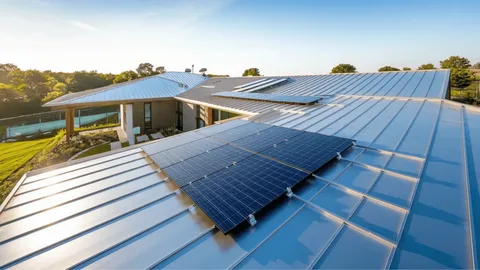
A roof does more than protect a property from rain, wind, and sunlight. It also affects indoor comfort, energy use, and monthly utility bills. In Norwalk, California, sunny weather can cause rooftops to absorb significant heat. As a result, homes and businesses may need more air conditioning during warmer months. Choosing the right roofing system can help reduce this heat buildup and improve overall building efficiency.
Homeowners can explore reliable energy efficient roofs to manage indoor temperatures and support long-term property performance. These roofing systems use reflective surfaces, suitable insulation, and thoughtful ventilation to limit unwanted heat transfer. However, the best solution depends on the roof’s condition, the building’s design, and the local climate.
Quality Power Solutions helps property owners understand roofing considerations that can influence comfort and energy use. Before selecting a new roof, it helps to review existing insulation, attic airflow, roofing materials, and areas where heat may enter the building. These details can reveal opportunities for improvement.
Additionally, property owners in nearby Carson can benefit from evaluating their roofing systems before making major upgrades. A well-planned project considers more than the initial installation cost. It also accounts for durability, maintenance, climate conditions, and potential energy savings.
Understanding these factors makes it easier to compare roofing options and choose a system that meets your property’s needs. With the right planning, a roof can become an important part of a more comfortable and energy-conscious building.
How Energy Efficient Roofs Improve Home Performance
A roof receives direct sunlight throughout the day. Depending on its color, surface material, and construction, it can absorb or reflect different amounts of solar energy. When a roof absorbs substantial heat, some of that warmth transfers into the attic and living spaces below.
Consequently, cooling systems may need to work harder to maintain comfortable indoor temperatures. Improving the roof’s thermal performance can help reduce this heat transfer. However, the results depend on insulation, ventilation, windows, and the building’s overall condition.
Understanding Reflectivity and Thermal Performance
Reflective roofing surfaces send more sunlight away from the building instead of absorbing it. This can help keep roof surfaces cooler during sunny weather. Insulation provides another layer of protection by slowing heat transfer between the attic and indoor rooms.
For Norwalk homeowners, dependable energy efficient roofs can offer a practical approach to managing solar heat. Nevertheless, reflective materials alone cannot solve every energy problem. An attic with poor insulation or blocked ventilation may still contribute to uncomfortable indoor temperatures.
Consider these practical steps when evaluating your roof:
- Inspect attic insulation for gaps, damage, or uneven coverage.
- Check whether attic vents allow appropriate airflow.
- Look for damaged shingles, loose flashing, and roof leaks.
- Review cooling costs during warmer months.
- Ask a qualified roofing professional to assess your existing roof.
Moreover, consider how long you plan to remain in your property. A roof replacement may provide long-term benefits, while smaller improvements could make more sense when the existing roof remains in good condition.
The goal is to understand how the entire roofing system performs. By addressing the most significant problems first, homeowners can make informed decisions without paying for unnecessary upgrades.
Choosing the Right Roofing Materials for Norwalk Homes
Roofing materials affect durability, maintenance needs, appearance, and thermal performance. Therefore, homeowners should compare several options before committing to a replacement. The right choice depends on the roof’s slope, structural capacity, budget, and exposure to sunlight.
For example, reflective shingles may suit some residential properties, while metal roofing can offer another option for homeowners seeking a durable surface. Tile roofing also deserves consideration when the structure can support its weight.
Comparing Affordable Energy Efficient Roofs for Different Properties
When comparing affordable energy efficient roof service look beyond the purchase price. A lower-cost material may require more maintenance or have a shorter service life than a more durable alternative. Likewise, a premium product may not deliver meaningful benefits if the attic insulation remains inadequate.
Consider these five factors before choosing a roofing system:
- Solar reflectance: Check how effectively the surface reflects sunlight.
- Thermal emittance: Consider how well the material releases absorbed heat.
- Durability: Compare expected service life and resistance to local weather.
- Maintenance: Review cleaning requirements, inspections, and repair needs.
- Installation cost: Compare materials, labor, underlayment, and ventilation work.
Additionally, ask whether the proposed roofing system meets local building requirements. Some materials require specific installation methods or additional structural support.
Property owners should also understand the difference between a cool roof and a well-insulated roof. A cool roof reflects more sunlight, while insulation slows heat transfer through the building envelope. Combining suitable roofing materials with proper insulation may improve overall performance.
Before making a decision, request written estimates from qualified contractors. Each estimate should identify the materials, installation details, warranty terms, and expected maintenance requirements. This information makes comparisons more useful and helps prevent unexpected expenses.
Energy-Efficient Roofing Solutions for Residential and Commercial Buildings
Different buildings have different roofing needs. A single-family home may have a pitched roof with shingles or tiles, while a commercial property may feature a broad, low-slope roof. These differences affect material selection, drainage, insulation, and installation methods.
As a result, professional Energy-Efficient Roofing Solutions should reflect the building’s structure and daily use. A solution that works well for one property may not suit another.
Planning Energy-Efficient Roofing Materials for Long-Term Value
The right reliable Energy-Efficient Roofing Materials can help property owners balance performance, appearance, and maintenance. However, the material must match the roof design and the property’s specific requirements.
For residential properties in Norwalk and Carson, consider these practical planning points:
- Roof design: Match the material to the roof’s slope and structural requirements.
- Drainage: Ensure water can move away without collecting in low areas.
- Insulation: Evaluate whether additional insulation could improve comfort.
- Ventilation: Confirm that attic airflow suits the roofing system.
- Warranty coverage: Understand which installation and material defects receive protection.
Commercial properties require additional attention. Large roof areas can experience substantial solar exposure, and rooftop equipment may complicate installation or maintenance. Therefore, building owners should consider access, drainage, insulation requirements, and the effect of roofing work on business operations.
For flat or low-slope roofs, a qualified contractor can compare reflective membranes and other suitable commercial systems. Meanwhile, residential owners may benefit from reviewing shingle, metal, or tile options.
Ultimately, the best roofing plan considers the whole building rather than focusing on a single product. A professional assessment helps identify compatible materials and realistic improvements.
Reducing Energy Costs Through Better Roof Design
Roofing upgrades can contribute to lower cooling demand, but savings vary from property to property. Factors such as insulation quality, air leakage, window placement, thermostat settings, and household activity all influence energy consumption.
Therefore, homeowners should avoid assuming that a new roof will automatically produce a specific percentage of savings. Instead, they should evaluate the property’s current performance and identify improvements that address its biggest sources of heat gain.
Practical Ways to Improve Roofing Efficiency
Combining expert Energy-Efficient Roofing Solutions with sensible maintenance can support better building performance. Consider these five actions before planning a major project:
- Seal air leaks: Address gaps around attic openings, ducts, and other penetrations.
- Improve insulation: Choose an appropriate insulation level for the building.
- Maintain ventilation: Keep suitable vents clear and functioning properly.
- Choose reflective surfaces: Compare roofing products designed to reduce solar heat absorption.
- Monitor energy use: Review utility bills before and after improvements.
Additionally, inspect the roof after severe weather and address minor problems promptly. Damaged flashing, loose roofing materials, and leaks can compromise the building envelope. Early repairs may prevent more extensive damage.
Homeowners should also consider attic temperatures and room comfort. If upstairs rooms remain unusually warm, the problem may involve insulation, ventilation, ductwork, or air leakage rather than the roof surface alone.
A professional energy assessment can help identify the most effective improvements. In some cases, sealing air leaks or improving insulation may deliver better value than replacing an otherwise serviceable roof.
For commercial properties, energy monitoring can help building managers identify changes in cooling demand after an upgrade. However, comparisons should account for weather, occupancy, and operating hours.
Overall, combining appropriate materials with good building maintenance creates a more balanced approach to energy efficiency. The most useful improvements address measurable problems rather than relying on marketing claims.
Maintaining Your Roof for Long-Term Efficiency
Even a well-designed roof needs regular care. Dirt, damaged components, blocked drainage, and deteriorating seals can affect performance over time. Therefore, homeowners should include roof inspections and maintenance in their property care routine.
In Norwalk, sunlight and seasonal weather can gradually affect roofing surfaces. Meanwhile, nearby Carson properties may face similar maintenance concerns. Regular inspections help owners identify problems before they become costly repairs.
Five Maintenance Practices That Protect Roofing Performance
Well-maintained durable Energy-Efficient Roofing Materials in Carson can continue performing as intended when property owners address damage promptly. These five practices can help protect your investment:
- Schedule inspections: Have a qualified professional check the roof periodically and after significant storms.
- Clear drainage systems: Keep gutters and roof drains free from leaves and debris.
- Check flashing: Inspect areas around chimneys, vents, skylights, and other roof openings.
- Address leaks quickly: Investigate water stains, damp insulation, or signs of moisture.
- Follow manufacturer guidance: Use recommended cleaning methods and approved repair products.
Additionally, avoid walking on roofing surfaces unless the material and conditions permit safe access. Some roofs can crack or sustain damage under unnecessary foot traffic. A qualified professional can perform inspections without exposing homeowners to avoidable risks.
Keep records of inspections, repairs, installation dates, and warranty documents. These records make it easier to track recurring problems and plan future maintenance.
Property owners should also understand warranty limitations. Some warranties cover material defects but exclude problems caused by poor maintenance or improper installation. Reviewing these conditions can prevent confusion when repairs become necessary.
Finally, evaluate the roof’s age and condition before deciding between repairs and replacement. A relatively new roof with isolated damage may only need targeted repairs. However, widespread deterioration or repeated leaks may justify a more detailed replacement assessment.
Consistent maintenance protects more than appearance. It helps preserve weather resistance, supports reliable building performance, and gives property owners better information when planning future energy improvements.
Conclusion
Choosing the right roofing system can help Norwalk homeowners improve indoor comfort, manage heat gain, and make more informed decisions about energy use. However, effective planning begins with understanding the entire building. Roofing materials, insulation, ventilation, and air sealing all influence how well a property handles warm weather.
Before investing in a replacement, review the condition of your existing roof and identify the problems that need attention. A qualified contractor can explain the differences between reflective shingles, metal roofing, tile systems, and other suitable options. Furthermore, comparing installation costs, maintenance requirements, and warranty coverage helps you evaluate long-term value.
Homeowners should also remember that roofing improvements do not guarantee a specific reduction in utility bills. Results depend on the building’s condition, cooling equipment, weather, and daily energy use. Therefore, realistic expectations and a complete assessment are essential.
For property owners considering reliable Energy-Efficient Roofing Solutions in Norwalk, choosing materials that suit the local climate and building design is a sensible starting point. Residents in Carson can apply the same principles when evaluating their own roofing needs.
Quality Power Solutions can be part of your research as you consider roofing options and plan improvements for your property. Focus on clear estimates, suitable materials, proper installation, and a maintenance plan that protects your investment.
Ultimately, a roof should do more than provide shelter. When selected and maintained carefully, it can contribute to a more comfortable indoor environment and support better energy management over the years.
FAQs
What are energy-efficient roofs?
Energy-efficient roofs use suitable materials, reflective surfaces, insulation, and ventilation to help reduce unwanted heat transfer and improve building performance.
Can a reflective roof lower cooling costs in Norwalk?
It may reduce heat absorption and cooling demand. However, actual savings depend on insulation, ventilation, the existing roof, and overall energy use.
Which roofing materials are suitable for energy efficiency?
Reflective shingles, certain metal roofing products, cool-roof membranes, and suitable tile systems can support energy efficiency when correctly selected and installed.
Are energy-efficient roofing systems suitable for commercial buildings?
Yes. Commercial properties can benefit from suitable reflective membranes and insulation systems, particularly when the roof design and building requirements support their use.
How often should I inspect my roof?
Arrange periodic professional inspections and additional checks after significant storms. Follow the roofing manufacturer’s maintenance recommendations and address leaks promptly.