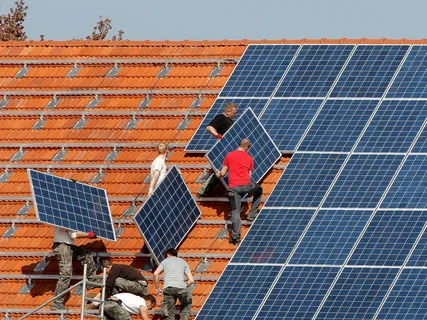
Learn how solar installation companies in Santa Clarita, CA plan system size, roof placement, energy use, equipment, permits, and long-term home performance.
Choosing solar for a home involves more than placing panels on a roof. Energy use, roof condition, panel placement, electrical capacity, shading, and system size all affect the final setup. Quality Power Solutions approaches projects involving solar installation companies in Santa Clarita, CA by reviewing how the home uses electricity and which roof areas offer practical space for a solar system.
In Whittier, homeowners searching for the best solar services near me may also want to understand equipment choices, installation planning, electrical needs, and long-term maintenance before moving forward.
A useful solar plan starts with the property and its actual energy needs.
What Solar Installation Companies Should Review
Professional solar installation companies should begin with the home’s electrical use and roof conditions.
- Past utility usage can help estimate how much electricity the household typically consumes.
- The roof should also be reviewed for age, condition, available space, and orientation.
- Trees, nearby buildings, chimneys, vents, and other obstructions can reduce the amount of usable roof area.
- A solar system should fit the property rather than use a standard design for every home.
- The goal is to create a layout that matches both energy demand and available installation space.
Solar Installation Companies Need Accurate System Sizing
- Solar installation companies in Santa Clarita, CA should size a system around realistic energy use.
- A system that is too small may provide less production than expected.
- An oversized system may add unnecessary equipment if the household does not use the extra capacity.
- Homeowners should also consider future changes.
- An electric vehicle, new HVAC equipment, electric water heating, or a home addition can increase electricity use.
- Planning for known changes can help create a system that remains practical for the household over time.
Best Solar Services Near Me in Whittier
Homeowners researching the best solar services near me in Whittier should look beyond the number of panels included in a proposal.
System design matters just as much as equipment quantity.
Panel placement, roof sections, inverter type, electrical configuration, and expected energy production all affect performance.
The roof should also remain accessible for future maintenance.
A crowded layout may make roof work more difficult later.
Homeowners should understand how the proposed system fits the property, where major equipment will be installed, and how the design connects with the existing electrical system.
Roof Condition Matters Before Solar Installation
Solar panels may remain in place for many years, so roof condition deserves attention before installation begins.
Installing solar over a roof that will soon need replacement can create additional work later.
Homeowners should review roof age, visible wear, leaks, damaged materials, and previous repairs.
If roofing work is already planned, completing it before solar installation may be more practical.
The roof structure also needs suitable mounting locations.
Solar equipment should be installed in a way that supports both system stability and the roof’s ability to manage water.
Solar Services for Home Should Match Energy Habits
The best solar services near me in Whittier projects work best when system planning reflects how electricity is used throughout the day.
Some households use more energy during daylight hours.
Others use most of their electricity in the evening after people return home.
This pattern can affect how homeowners think about solar production and possible battery storage.
Energy efficiency also matters.
Improving insulation, lighting, HVAC performance, or appliance efficiency may reduce overall electricity demand.
Understanding these habits before finalizing system size can help avoid planning around outdated or unusually high energy use.
Panel Placement Affects Production
Roof orientation and shading can influence how much energy solar panels produce.
Not every roof section receives the same amount of sunlight.
Trees may shade one area during part of the day, while another section receives longer exposure.
Chimneys, vents, and nearby structures can also create shadows.
The best panel layout should balance available space with solar exposure.
Simply filling every open roof section does not always create the most effective design.
Homeowners should also consider whether trees may grow and increase shading over time.
Electrical Equipment Needs Review
A solar system connects with the home’s electrical system, so existing equipment should be evaluated.
The electrical panel, available breaker space, service capacity, and related components may affect installation planning.
Some homes may need electrical changes before solar equipment can be connected.
This is especially important in older properties or homes that already have several high-demand electrical systems.
Planning electrical work early helps prevent delays after the solar design has already been finalized.
It also gives homeowners a clearer picture of the full project rather than considering panels separately from the rest of the home’s electrical system.
Inverter Choice Changes System Design
Solar panels generate direct current electricity, while homes use alternating current.
An inverter handles this conversion.
Different solar systems may use different inverter arrangements.
A central inverter manages power from multiple panels through one main unit.
Microinverters work at individual panels or smaller groups.
Each approach has practical differences involving layout, shading, monitoring, equipment placement, and future service.
Homeowners do not need to choose based only on technical terms.
The important question is whether the inverter setup fits the roof design and expected system performance.
Common Solar Planning Mistakes
One common mistake is choosing a solar system based only on panel count.
Another is ignoring the roof condition before installation.
Homeowners may also overlook shading because an area appears sunny during only one part of the day.
Planning around current electricity use without considering future changes can create another issue.
A household that expects to add an EV or switch appliances to electric power may need different capacity later.
Another mistake is focusing only on equipment while ignoring electrical upgrades, roof access, and long-term maintenance needs.
Solar works best when the entire property is considered.
Practical Steps Before Installing Solar
Start by reviewing several months of electricity usage.
Think about any major changes planned for the home.
Check the roof for age, damage, or upcoming replacement needs.
Identify large trees or structures that may create shade.
Homeowners should also make a list of future electrical additions, such as EV charging or new HVAC equipment.
Ask how the proposed solar layout uses the available roof area.
It also helps to understand where the inverter and other electrical equipment will be located before installation begins.
Best Practices for Long-Term Solar Performance
Solar systems generally require limited routine attention, but homeowners should still watch for changes.
Trees can grow and create new shading.
Roof conditions can change over time.
System monitoring may also show whether production drops unexpectedly.
Panels should remain free from conditions that significantly block sunlight.
Homeowners should avoid walking on panels or trying to repair electrical solar equipment without proper knowledge.
Keeping system records can also help with future service.
Documentation should include equipment information, installation details, and major changes made to the home’s electrical system.
Battery Storage Needs Separate Planning
Battery storage can allow some solar-generated electricity to be used later.
However, adding a battery changes the way the system is designed and used.
Homeowners should think about what they expect the battery to do.
Some may want limited backup power during an outage.
Others may want to store more solar energy for evening use.
The size and setup should reflect those goals.
Battery planning should also consider where the equipment will be installed and how it connects with the home’s electrical system.
It should not be treated as an automatic requirement for every solar project.
Conclusion
Comparing Solar services for home should involve more than looking at panel brands or system size. Roof condition, energy use, shading, electrical capacity, equipment placement, inverter design, and future household needs all influence how well a solar system fits the property.
For homeowners in Santa Clarita and Whittier, Quality Power Solutions can approach solar planning by reviewing the home and its actual electrical needs before finalizing the system. Careful design helps create a setup that matches the property rather than relying on a one-size-fits-all approach.
FAQ
What should be checked before installing solar panels?
Review electricity use, roof condition, shading, available roof space, electrical panel capacity, and any future changes that may increase power demand.
How is the size of a home solar system determined?
System size usually depends on household electricity use, available roof area, sunlight exposure, equipment performance, and future energy needs.
Does my roof need to be replaced before solar installation?
Not always. However, an older or damaged roof should be evaluated because replacing it after solar installation can require removing and reinstalling equipment.
Can shading reduce solar panel performance?
Yes. Trees, chimneys, nearby buildings, and other obstructions can reduce sunlight reaching panels and affect energy production.
Is battery storage necessary with residential solar?
No. Battery storage is optional for many systems. Whether it makes sense depends on backup power goals, energy-use patterns, system design, and household needs.