Compare solar installation companies in Santa Clarita, CA and learn how system design, equipment, roof condition, energy use, and installation quality affect results.
Choosing solar involves more than comparing equipment prices. Quality Power Solutions helps homeowners understand what to look for when evaluating solar installation companies in Santa Clarita, CA. System size, roof condition, electrical capacity, energy use, equipment selection, and installation methods can all affect how well a solar system performs over time.
In Simi Valley, CA, homeowners searching for the best solar services near me may find several companies offering different equipment packages and installation approaches. The lowest quoted price does not always represent the best overall value. A properly designed system should match the property’s energy needs, available roof space, and electrical conditions.
A thoughtful solar project starts with the home itself. Before choosing panels or discussing system size, homeowners should understand how much electricity they use, when they use it, and what limitations the property may present.
How Solar Installation Companies Evaluate a Home
A solar assessment should look beyond the roof’s visible condition. The roof’s age, orientation, pitch, shading, and available surface area can all affect system design.
Electricity usage matters just as much. A household with high daytime consumption may have different needs from one that uses most of its electricity in the evening.
A useful evaluation may consider:
- Historical electricity consumption
- Roof orientation and available space
- Shade from trees and nearby structures
- Roof age and condition
- Main electrical panel capacity
- Existing electrical equipment
- Desired system size
- Future changes in electricity use
- Battery storage goals
These factors help determine whether the proposed system makes sense for the property instead of relying on a standard package.
Matching Solar Capacity to Actual Energy Use
Solar installation companies in Santa Clarita, CA work best when their capacity reflects the home’s electricity requirements.
Homeowners should review recent utility bills before discussing system size. Looking at several months of usage can reveal seasonal differences and provide a more useful picture than relying on one bill.
Future energy changes also deserve consideration.
For example, adding an electric vehicle, replacing gas appliances with electric models, or changing heating and cooling equipment can increase electricity consumption. A solar design should account for realistic future needs where possible.
Oversizing or undersizing a system without understanding the home’s usage can create unnecessary complications.
Roof Condition Should Be Part of the Conversation
Installing solar equipment on an aging roof can create an avoidable problem.
If the roof already needs major repairs or replacement, homeowners should understand how that work could affect the solar installation. Removing and reinstalling equipment later may add complexity and cost.
A roof assessment should consider:
- Approximate roof age
- Visible wear or damage
- Existing leaks
- Roofing material
- Available installation area
- Structural considerations
- Planned roof replacement
The solar system should complement the condition of the home rather than hide an underlying roofing issue.
Comparing Solar Equipment and System Designs
Not all solar equipment performs in exactly the same way. Panel efficiency, inverter technology, monitoring capabilities, warranties, and physical dimensions can vary between products.
Homeowners should look at the complete system rather than focusing on the panel brand alone.
| Factor | Why It Matters |
| Panel efficiency | Affects energy production from available roof space |
| Inverter type | Converts solar power for household use |
| Monitoring | Helps track system performance |
| Warranty | Defines manufacturer coverage |
| Panel dimensions | Influences how equipment fits the roof |
| Battery compatibility | Matters if future energy storage is planned |
A good comparison considers how the components work together.
Solar Services for Home Energy Planning
Solar services for home in Simi Valley projects can involve more than panel installation. Homeowners may also need to consider electrical upgrades, monitoring, battery storage, or changes to accommodate future energy use.
Battery storage can be useful for households that want to store excess energy for later use, although the value of a battery depends on the home’s consumption patterns, utility arrangements, system design, and other factors.
Electrical capacity also deserves attention. The existing panel and wiring should be evaluated to determine whether they can support the proposed equipment.
These technical details should be addressed before installation begins.
Understanding Installation Quality
The equipment receives much of the attention during solar research, but installation quality also matters.
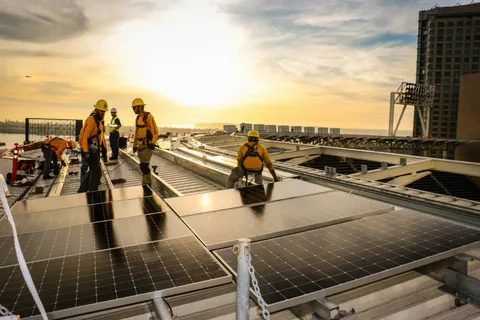
Panels need appropriate placement and secure mounting. Electrical connections must follow applicable requirements, and wiring should be organized and protected appropriately.
Roof penetrations require particular care because they can affect the building envelope.
Homeowners should also understand how the system will be tested and commissioned after installation. Monitoring should provide useful information about system operation so unusual performance can be identified.
Questions to Ask Before Choosing a Solar Contractor
When comparing companies, homeowners should look for clear answers rather than vague promises.
Ask how the company determines system size, what site conditions it evaluates, which equipment it proposes, and how it handles electrical or roofing concerns discovered during planning.
It is also useful to understand who performs the installation and who handles service questions after the project is complete.
A written proposal should make the system scope understandable. Equipment, expected work, project assumptions, and other important details should not remain unclear.
Common Solar Planning Mistakes
One common mistake is choosing a system based only on the number of panels. Panel count does not tell the entire story because panel output, roof orientation, shading, inverter design, and energy use all influence performance.
Another mistake is ignoring future electricity consumption. A household’s needs can change significantly after an EV purchase or major appliance upgrades.
Homeowners may also overlook the roof’s condition. Installing equipment without considering the roof’s remaining service life can complicate future repairs.
Comparing quotes solely by price can create another problem. Two proposals may appear similar while using different equipment, system capacities, warranties, or installation scopes.
Planning for Long-Term Solar Performance
A solar system should be viewed as part of the home’s electrical infrastructure rather than a standalone purchase.
Keep records of equipment information, warranties, installation documents, and monitoring details. Review system performance periodically and investigate significant changes rather than assuming they are normal.
Roof maintenance should also continue after installation. Gutters, trees, and surrounding landscaping should be managed so they do not create avoidable shading or access problems.
As household energy use changes, homeowners can also reassess whether additional equipment or energy-storage options make sense.
Conclusion
Choosing the best solar services near me requires more than comparing prices or panel brands. Homeowners should evaluate energy consumption, roof condition, electrical capacity, system design, equipment quality, installation practices, and long-term service considerations.
For homeowners in Santa Clarita and Simi Valley, Quality Power Solutions can approach solar planning around the property’s actual conditions and household energy requirements. A well-designed system starts with accurate information and careful planning, giving homeowners a clearer basis for deciding which solar solution fits their home.
FAQ
How do solar installation companies determine the right system size?
They typically consider historical electricity use, available roof space, shading, roof orientation, equipment characteristics, and the homeowner’s expected future energy needs.
Should I repair my roof before installing solar panels?
If the roof needs significant repairs or replacement, addressing those issues first may make more sense. Solar equipment can complicate future roofing work if the roof needs attention shortly after installation.
Are all solar panels the same?
No. Panels differ in efficiency, physical dimensions, output, warranties, and other characteristics. Inverters and other system components also influence overall performance.
Do I need an electrical panel upgrade for solar?
Not every home requires one. The existing electrical system should be evaluated to determine whether it can support the proposed solar equipment and associated electrical loads.
What should I compare when reviewing solar installation proposals?
Compare the complete system scope, equipment, proposed capacity, installation work, warranties, monitoring, electrical requirements, and any assumptions or exclusions—not just the total price.