Norwalk homeowners can cut power costs with Solar Installation Services. Learn what affects system size, permits, pricing, and value before you book it. A higher electric bill can make an otherwise comfortable Norwalk home feel surprisingly expensive to run. For many homeowners, solar is no longer just about having panels on the roof; the real question is whether the system is properly sized, permitted, and suited to the way the property uses electricity. This guide reflects the practical perspective shared by Quality Power Solutions and focuses on what local homeowners should understand before starting a project.
What Solar Installation Actually Involves in Norwalk, CA
Solar installation is the process of designing, mounting, wiring, inspecting, and connecting photovoltaic panels so they can produce usable electricity for a property. A typical system includes solar modules, racking, an inverter or microinverters, electrical protection equipment, monitoring hardware, and the required wiring.
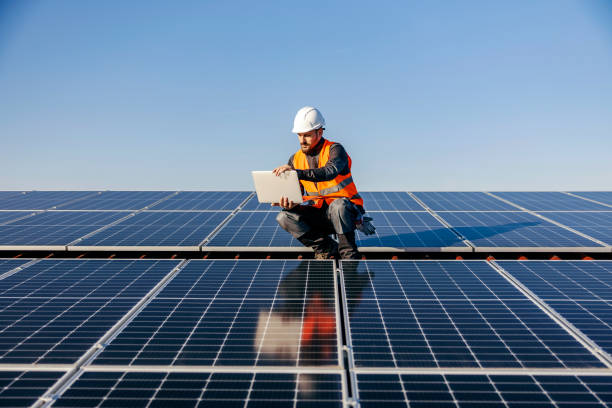
The work starts with a site assessment rather than simply measuring roof space. An installer needs to examine roof condition, orientation, shading, electrical service, attic access, panel capacity, and expected household consumption. The goal is to create a system that produces useful energy without placing unnecessary equipment on the roof.
In Norwalk, we’ve noticed that most homeowners focus first on the number of panels they can fit rather than the amount of electricity they actually use. That can lead to an oversized system, an undersized system, or a design that produces plenty of electricity at the wrong time of day.
Local permitting also matters. Norwalk has an expedited permitting framework for qualifying small residential rooftop systems, but a permit is still required, and city approval does not by itself authorize utility interconnection.
For a homeowner searching for Best Solar Installation Services , that distinction is worth remembering: a rooftop can be physically ready before the project is legally and electrically ready to operate.
The Real Challenge in Norwalk: Getting the System Right
Norwalk’s sunny Southern California climate is favorable for photovoltaic production, but local homes still present practical challenges. Older electrical panels, roof sections with different orientations, mature trees, limited attic access, and previous remodeling can all affect a project.
One objection that often gets overlooked is simple: “What if my roof needs work first?” Putting new panels on an aging roof can create an expensive problem later. If shingles, flashing, structural components, or other roofing materials are nearing the end of their useful life, it can make sense to address those issues before installation rather than paying to remove and reinstall panels later.
A client in Norwalk reached out after noticing that the electric bill remained high despite having plenty of usable roof area. A site review showed that afternoon shading and the home’s actual consumption pattern were more significant than the homeowner expected. The proposed design focused on the productive roof sections and electrical load instead of filling every available space. That kind of assessment can matter more than simply choosing the highest panel count.
Another local consideration is the utility connection. Norwalk homes are served by Southern California Edison, so the installation process involves more than attaching equipment to a roof.
Homeowners comparing Expert Solar Installation Companies in Norwalk, CA should therefore ask who handles permitting, inspection coordination, utility paperwork, system monitoring, and post-installation support. A low initial quote is less useful if important parts of the process are left unclear.
How Quality Power Solutions Approaches It Differently
A useful local approach starts with the property rather than a preset package. Quality Power Solutions should evaluate the roof, electrical infrastructure, energy consumption, shading, equipment layout, and future plans before recommending system capacity.
That process also means separating essential work from optional upgrades. For example, a battery can provide backup power and change how a household uses solar energy, but it is not automatically the right financial choice for every property. The same applies to panel upgrades, roof work, monitoring equipment, and additional electrical improvements.
One gap found across many generic solar pages is the lack of attention given to the electrical side of the project. Homeowners often receive detailed information about panel efficiency while hearing very little about the main service panel, breaker configuration, conduit routing, grounding, disconnects, or how equipment will be positioned. Those details affect installation quality and future serviceability.
For solar services for home, the practical question is not simply “How many panels will I get?” A better question is “How will the complete electrical system work together for the next 20 or more years?”
The same principle applies to solar services for office properties, although commercial projects can involve different load profiles, roof structures, operating schedules, and electrical requirements. A business that consumes most of its electricity during working hours may evaluate a system differently from a residence with its largest loads in the evening.
Practical Tips: What to Know Before You Decide
Start with your recent electricity bills. Twelve months of usage gives an installer a much better starting point than a single unusually high or low bill.
Next, inspect the roof before signing a long-term solar agreement. Look for aging roofing materials, visible damage, previous patchwork, or areas where water intrusion has occurred. Solar equipment can last for decades, so the surface supporting it deserves equal attention.
Ask for the proposed equipment list in writing. The quote should identify the panel manufacturer and model, inverter technology, mounting system, monitoring platform, battery equipment if included, warranties, and expected system capacity. Vague equipment descriptions make future comparisons harder.
In Norwalk, we’ve noticed that customers who compare proposals carefully tend to pay more attention to the installation details once they understand what actually affects system performance. Price matters, but so do roof penetrations, wire management, equipment placement, workmanship, warranty coverage, and service after commissioning.
A useful local-market tip is to confirm exactly who is responsible for permits and utility interconnection before work begins. Norwalk’s municipal rules require permits for qualifying residential rooftop solar projects, and the city maintains specific requirements for expedited processing and inspection.
If an existing system is already installed, do not assume every performance issue means the panels have failed. A homeowner searching for Reliable Solar Panel Repair Service in Norwalk, CA may actually have an inverter problem, communication failure, damaged wiring, shading changes, a tripped breaker, or monitoring equipment that has stopped reporting.
There is also a financial question that deserves an honest answer: will solar definitely save money? No responsible installer can guarantee a specific return without reviewing electricity use, system production, financing terms, utility rules, equipment costs, and the property’s circumstances. A proposal should show the assumptions behind the projected savings rather than presenting one attractive number without context.
For anyone researching best solar services near me, reviews can help, but they should not be the only screening tool. Check licensing information, contract terms, warranty responsibilities, insurance, references, and whether the company clearly explains who performs the actual electrical and roofing work.
Searching solar companies near me can produce a long list of providers. Narrow it by asking practical questions: Who will inspect the roof? Who obtains permits? Who performs the electrical work? What happens if production is lower than expected? Who services the system five years after installation?
A final point is easy to overlook: design for maintenance access. A system that looks tidy on installation day can become frustrating if equipment is difficult to reach or wiring is poorly organized. Good layout is not only about appearance; it can reduce future service time and make troubleshooting easier.
A Smarter Way to Compare Your Norwalk Options
A good solar proposal should let you understand what you are buying without needing to decode sales language. Compare system size, estimated annual production, equipment, roof layout, electrical scope, warranties, permitting responsibilities, financing costs, and expected maintenance.
Be cautious of proposals that concentrate almost entirely on monthly payment. A smaller monthly payment can still represent a more expensive project if the contract term, interest, escalation provisions, or ownership structure changes the total cost.
You can also search for a solar installation contractor near me and request a site-specific assessment rather than relying on an online estimate. A real property review can reveal roof shading, panel limitations, electrical constraints, and other conditions that an automated satellite assessment may miss.
Norwalk homeowners also have a useful reason to pay attention to permitting details: the city’s solar rules provide an expedited path for eligible small residential rooftop projects, with defined application and inspection requirements.
The most useful proposal is not necessarily the one with the most panels or the lowest headline price. It is the one where the assumptions, equipment, workmanship, responsibilities, and long-term service expectations are clear.
Make the Next Solar Decision With Better Information
Solar can be a practical fit for many Norwalk properties, but the quality of the design matters as much as the equipment itself. Before committing, gather your recent electric bills, confirm your roof’s condition, and ask for a clear explanation of the electrical and permitting work. If you are considering Solar Installation Services in Norwalk, Quality Power Solutions can be included in that comparison as you evaluate the project on its actual specifications rather than sales promises.
FAQs
Is solar worth it for a home in Norwalk, CA?
Solar can make financial sense for a Norwalk home, particularly when the property has good sun exposure and consistent electricity use. The actual value depends on system size, equipment, financing, utility rules, roof condition, and future energy needs. A site-specific production estimate is more useful than relying on a generic savings figure.
How much does solar installation cost in Norwalk?
There is no single price for a Norwalk solar project. System capacity, panel and inverter selection, roof complexity, electrical upgrades, battery storage, permitting, and financing can all change the total. Ask for an itemized proposal showing equipment, labor, fees, warranties, and financing costs so you can compare quotes on equal terms.
How long does a solar installation take?
The physical installation may take only a few days for a straightforward residential project, but the full process can take longer because design review, permitting, inspections, utility approval, and scheduling are involved. Norwalk has an expedited process for qualifying small residential rooftop systems, although eligibility and approval requirements still apply.
How do I know a solar installer is legitimate?
Check that the contractor is properly licensed, insured, and willing to provide a written contract with equipment specifications and warranty terms. Ask who performs the electrical work, who handles permits, and who provides service after installation. Independent reviews, references, complaint history, and clear answers to technical questions are useful trust signals.
Do I need solar panel repair if my system stops producing?
Not necessarily. A production problem can come from the inverter, monitoring connection, electrical protection equipment, damaged wiring, shading, or the panels themselves. Start by checking the monitoring system and whether the inverter reports an error. A qualified technician can test the system and identify the actual fault before recommending a repair.