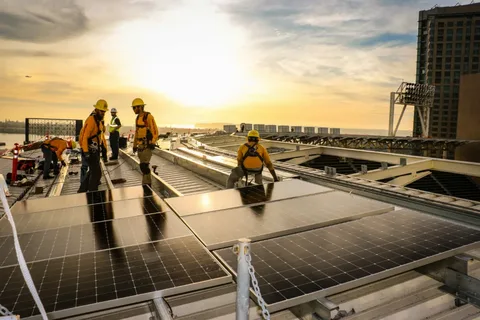
Solar energy offers homeowners a practical way to generate electricity and manage long-term energy expenses. In Whittier, CA, installing solar panels can help households use the area’s available sunlight to produce power. However, the right system depends on your roof, electricity usage, budget, and future plans.
When comparing reliable solar installation companies, homeowners should consider more than the initial price. Equipment quality, installation methods, warranty coverage, and customer support all influence the long-term value of a solar project. A carefully planned system can provide dependable performance while helping homeowners make informed energy decisions.
Quality Power Solutions is a company homeowners can consider when researching solar options for their properties. Before choosing any provider, compare project proposals, confirm relevant credentials, and understand what each estimate includes.
Moreover, preparation can prevent costly surprises. Roof condition, shade from nearby trees, electrical requirements, and local permitting rules can affect the installation process. Therefore, homeowners should assess these factors before committing to equipment or signing a contract.
A successful solar project starts with clear expectations and realistic calculations. By understanding system design, installation costs, maintenance needs, and available warranties, Whittier homeowners can select an approach that suits their homes and energy goals.
Understanding Solar Installation for Whittier Homes
Solar panels convert sunlight into electricity that a home can use. A typical residential system includes photovoltaic panels, an inverter, mounting equipment, wiring, and safety components. Some households also consider battery storage to keep selected appliances running during an outage, depending on the system design.
Whittier homeowners should assess their properties before selecting equipment. Roof direction, shade, available space, and household electricity consumption can affect system performance. Additionally, utility rules and the terms of the homeowner’s electricity plan may influence potential savings.
How Residential Solar Systems Work
Professional solar installation begins with a site assessment and an estimate of the home’s energy needs. An installer reviews electricity bills, evaluates the roof, and determines an appropriate system size.
The panels generate direct current electricity, while an inverter converts it into alternating current for household use. Depending on the system and utility arrangement, excess electricity may flow back to the grid.
Before moving forward, consider these five practical points:
- Roof condition: Repair significant roof damage before installing panels.
- Sun exposure: Check for shade from trees, chimneys, and nearby buildings.
- Energy use: Review electricity bills from different seasons.
- System size: Match the proposed capacity to realistic household needs.
- Future plans: Account for an electric vehicle or other expected increases in electricity use.
Furthermore, ask the installer to explain expected production and the assumptions behind the estimate. Solar output varies with weather, shading, equipment, and seasonal daylight. Clear projections help you evaluate the system without relying on unrealistic savings promises.
Choosing Reliable Solar Installation Companies
Selecting an installer is one of the most important decisions in a solar project. The equipment matters, but the quality of the design, mounting, electrical work, and follow-up support matters too. Therefore, homeowners should compare providers using consistent criteria.
Request written proposals from multiple contractors and review their details carefully. A lower quote may exclude electrical upgrades, roof work, monitoring equipment, or other project costs. Comparing the full scope provides a more accurate picture of value.
What to Look for in Professional Solar Installers
The trusted solar installation services companies worth considering should explain their recommendations clearly and answer questions about equipment, warranties, and expected production. They should also identify assumptions that could affect your final costs.
Use these five checks when comparing providers:
- Licensing: Verify the contractor’s applicable California license through the Contractors State License Board.
- Insurance: Ask for confirmation of appropriate insurance coverage.
- Experience: Review completed residential projects and relevant customer references.
- Written estimates: Compare equipment specifications, labor, permits, and additional charges.
- Warranty details: Separate equipment warranties from workmanship and roof-penetration coverage.
Additionally, ask who will handle permitting, inspections, utility paperwork, and system activation. Confirm whether the company uses employees or subcontractors and who remains responsible for the project.
Quality Power Solutions can be included in your research. Review its proposed equipment, credentials, contract terms, and customer support arrangements before making a decision.
Finally, avoid signing under pressure. A dependable contractor should give you enough time to review the proposal and understand the financial commitment.
Comparing Solar Equipment and Installation Costs
Solar projects involve several costs beyond the panels themselves. Equipment, inverters, mounting hardware, labor, electrical upgrades, permits, and optional batteries can all affect the final price. Consequently, homeowners should compare complete proposals rather than focusing on a single advertised figure.
System size also influences the budget. A larger system may generate more electricity, but installing more capacity than your household can use economically may not provide the best value.
Planning Your Solar Panel Budget
A detailed estimate for affordable solar installation should identify the equipment, installation work, and any additional expenses. Ask the provider to explain the expected production and the assumptions used in its savings calculations.
Consider these five budgeting practices:
- Compare total prices: Review the complete installed cost of each proposal.
- Evaluate equipment: Compare panel efficiency, inverter type, and product warranties.
- Review financing: Understand interest rates, fees, loan terms, and total repayment.
- Check incentives: Verify current eligibility and deadlines through official sources.
- Estimate savings carefully: Account for utility rates, system output, and applicable export compensation.
Moreover, compare cash purchases, loans, and leases based on your financial situation. Each option has different ownership arrangements and long-term obligations. Read the agreement carefully before choosing a financing method.
California utility rules and incentives can change, so avoid relying on outdated savings claims. Consult your utility and official government resources for current requirements.
Maintaining Solar Panels and Addressing Repairs
Solar panels generally require limited routine maintenance, but they still need occasional inspection. Dust, debris, shading, damaged wiring, and inverter problems can affect system output. Therefore, homeowners should monitor production and investigate unexpected changes.
Whittier’s dry periods may allow dust to accumulate on panels. However, the amount of cleaning required depends on local conditions, panel angle, rainfall, and manufacturer recommendations.
Recognizing When Solar Panel Repair Is Needed
Reliable solar panel repair begins with identifying the cause of a performance problem. A sudden drop in electricity production may result from shade, an inverter issue, a monitoring fault, or equipment damage.
Keep these five maintenance practices in mind:
- Monitor output: Review your system’s monitoring app or production reports.
- Inspect from the ground: Look for obvious damage without climbing onto the roof.
- Check alerts: Record inverter warnings or repeated system errors.
- Schedule professional inspections: Ask a qualified technician to investigate persistent problems.
- Review warranties: Check whether the repair falls under equipment or workmanship coverage.
Additionally, do not open electrical enclosures or attempt rooftop repairs yourself. Solar systems can contain dangerous electrical components, even when the household is not using much power. Contact a qualified professional when you notice exposed wiring, damaged panels, or burning smells.
If you need professional solar panel repair,the service in Whittier requests for a written diagnosis and estimate before authorizing major work. The technician should explain the problem, proposed solution, and any replacement parts.
Regular monitoring can help homeowners identify issues earlier. Consequently, a small fault may be addressed before it causes a longer interruption or additional damage.
Finding Solar Services Near You
Local experience can help simplify a residential solar project. A contractor familiar with Whittier may better understand local permitting procedures, inspection requirements, and common property considerations. Nevertheless, homeowners should verify each provider’s credentials rather than assuming every nearby company offers the same service quality.
Searching online can create a useful shortlist, but location alone does not establish expertise. Review service details, compare project proposals, and ask direct questions before choosing an installer.
How to Evaluate Local Solar Providers
When searching for solar installation near me, focus on the quality of the service and the clarity of the agreement. A useful consultation should explain the design process, likely installation stages, and any property-specific concerns.
Follow these five steps:
- Check local reviews: Look for detailed feedback about communication and completed work.
- Confirm service coverage: Ask whether the contractor works in your part of Whittier.
- Request a site assessment: Make sure the design reflects your actual roof and energy use.
- Understand the timeline: Discuss permits, equipment delivery, installation, and inspection.
- Confirm after-sales support: Ask how the company handles monitoring problems and warranty claims.
Furthermore, ask whether the proposed system needs a main electrical panel upgrade or roof repairs. Identifying these requirements early can prevent delays and unexpected expenses.
A contractor should also explain the utility interconnection process. Installing panels does not automatically mean you can export electricity or operate during a grid outage. Those capabilities depend on utility approval and the system’s configuration.
Finally, keep a copy of the contract, equipment specifications, permits, inspection records, and warranties. These documents can help with future maintenance, repairs, or property sales.
Conclusion
Solar energy can be a useful investment for Whittier homeowners who want to generate electricity and make informed decisions about household energy costs. However, the benefits depend on the home’s sunlight exposure, electricity consumption, installation quality, and utility arrangements.
Before choosing a provider, assess your roof and review your recent electricity bills. Then compare written proposals that explain system size, equipment, installation costs, estimated production, and warranty coverage. This approach helps you evaluate the complete project rather than relying on advertised prices or general savings claims.
For homeowners seeking reliable solar installation in Whittier, CA, careful research is the best starting point. Verify contractor credentials, check relevant references, and ask how the company handles permits, inspections, utility approvals, and post-installation support.
Quality Power Solutions is one provider you can research when comparing available options. Review its credentials and proposed terms, and make sure the recommended system matches your property’s requirements.
Remember that solar panels do not eliminate every electricity expense in every situation. Utility charges, seasonal production changes, financing costs, and future maintenance can affect your overall results. Therefore, ask for realistic estimates and understand the assumptions behind any financial projections.
With careful planning, suitable equipment, and qualified installation, homeowners can make a more confident decision about residential solar. Take time to compare your options and choose a system that fits your home, budget, and long-term energy goals.
FAQs
How much does solar installation cost in Whittier, CA?
The cost depends on system size, equipment, roof conditions, electrical upgrades, and financing. Request a detailed estimate based on your property.
How long does residential solar installation take?
The physical installation may take a few days, but design, permits, inspections, and utility approval can extend the overall timeline.
Do solar panels work on cloudy days?
Yes. Panels can generate electricity in cloudy conditions, although production generally decreases when less sunlight reaches them.
When should I schedule solar panel repair?
Contact a qualified technician if you notice a persistent drop in production, inverter warnings, visible damage, or unusual electrical issues.
How do I choose among solar installation companies?
Compare licensing, insurance, equipment, written estimates, warranties, customer references, and post-installation support before signing a contract.