
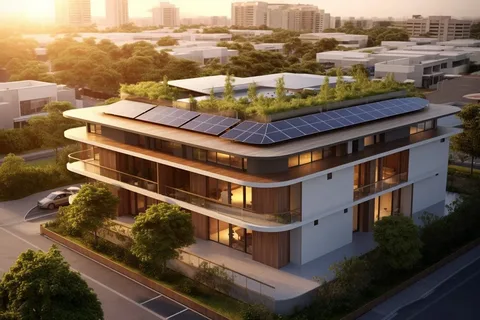
A well-designed roof does more than protect your home from rain, wind, and sunlight. It also plays an important role in indoor comfort and energy use. In Whittier, CA, warm summers and strong sunlight can increase indoor temperatures. As a result, homeowners often rely heavily on air conditioning. The right roofing system can help manage heat and reduce unnecessary energy consumption.
Choosing reliable energy efficient roofs gives homeowners an opportunity to improve their property’s performance. These roofing systems use reflective surfaces, proper insulation, and suitable materials to manage heat transfer. Furthermore, they can help maintain more consistent indoor temperatures throughout the year.
Quality Power Solutions understands the value of practical home improvement solutions. Selecting the right roofing materials requires careful planning, attention to local weather, and an understanding of your home’s structure.
Moreover, homeowners should consider roof condition, ventilation, insulation, and long-term maintenance before choosing an upgrade. A suitable roofing system can support better comfort while protecting the property.
This guide explains roofing options, installation considerations, maintenance practices, and the benefits of energy-conscious roofing for homeowners in Whittier and Simi Valley.
Understanding How Energy Efficient Roofing Works
Roofing materials influence how much heat enters your home. Traditional roofing surfaces can absorb significant sunlight. Consequently, roof temperatures may increase during hot afternoons.
Energy-conscious roofing systems help control this process through reflective materials, insulation, and proper ventilation. These features work together to manage heat movement between the roof and living spaces.
How Roofing Materials Control Heat
Reflective roofing surfaces send more sunlight away from the building. Therefore, they can reduce the amount of solar heat absorbed by the roof.
Insulation serves a different purpose. It slows heat movement between indoor and outdoor spaces. Meanwhile, proper ventilation allows trapped heat and moisture to escape from suitable roof spaces.
Homeowners considering reliable energy efficient roofs should understand these three important features:
- Solar reflectance: Measures how much sunlight a roofing surface reflects.
- Thermal emittance: Measures how effectively a surface releases absorbed heat.
- Roof insulation: Helps slow heat transfer and supports indoor comfort.
- Ventilation: Helps manage heat and moisture in roof spaces.
- Roof condition: Determines whether repairs or complete replacement make more sense.
Furthermore, homeowners should consider the existing roof structure before selecting new materials. A roofing professional can inspect the property and identify suitable improvements.
Benefits of Reliable Energy Efficient Roofs for Whittier Homes
An appropriate roofing system can improve several aspects of residential property performance. However, results depend on material selection, installation quality, insulation, and local weather conditions.
Whittier homeowners experience warm weather during much of the year. Therefore, controlling roof heat can make a noticeable difference in indoor comfort.
Why Reliable Energy Efficient Roofs Matter
Reliable energy efficient roofs can help reduce heat absorption during sunny weather. As a result, air conditioning systems may face less cooling demand under suitable conditions.
Homeowners should consider these five practical benefits:
- Improved indoor comfort: Reflective materials can help limit unwanted roof heat.
- Potential energy savings: Lower cooling demand may reduce electricity consumption.
- Better temperature control: Proper insulation helps maintain more consistent indoor conditions.
- Roof protection: Suitable materials can withstand expected weather exposure.
- Property improvement: A well-maintained roof supports the overall condition of a home.
Moreover, roofing improvements can complement other energy-saving upgrades. For example, homeowners can improve attic insulation, seal air leaks, and maintain their cooling equipment.
However, no roofing material guarantees a specific reduction in utility bills. Actual results depend on the property’s design and existing energy performance.
Choosing the Right Energy Efficient Roofing Materials
Material selection affects roof durability, appearance, maintenance, and thermal performance. Therefore, homeowners should compare available options before making a final decision.
Different materials offer different advantages. Some provide strong solar reflectance, while others offer durability and suitable insulation compatibility.
Popular Roofing Options for Residential Properties
Energy efficient roofing materials service include several options for residential applications. The right choice depends on roof slope, structural requirements, budget, and architectural style.
Consider these five practical options:
- Cool asphalt shingles: Certain specially designed shingles reflect more sunlight than standard options.
- Metal roofing: Reflective metal surfaces can help reduce solar heat absorption.
- Clay tiles: These tiles offer durability and can support ventilation through suitable installation designs.
- Concrete tiles: They provide a durable roofing option with different colors and finishes.
- Reflective roof coatings: Suitable coatings can improve the solar reflectance of compatible existing roofs.
Furthermore, homeowners should compare product specifications instead of relying only on appearance.
Before purchasing materials, check manufacturer specifications, warranty coverage, fire ratings, and maintenance requirements. Additionally, confirm that the selected material suits your existing roof structure.
Planning a Professional Energy Efficient Roof Installation
Proper installation plays a major role in roofing performance. Even high-quality materials may perform poorly when contractors overlook ventilation, flashing, or insulation requirements.
Therefore, homeowners should review the installation process before starting a roofing project.
Important Steps Before Installation
A professional assessment helps identify existing problems and suitable improvements. It also gives homeowners a clearer understanding of project requirements.
Consider these five practical installation steps:
- Roof inspection: Check shingles, tiles, flashing, drainage, and existing damage.
- Structural assessment: Confirm that the roof can support the selected materials.
- Ventilation planning: Evaluate airflow and identify potential moisture concerns.
- Material selection: Choose products that suit the property’s design and climate.
- Installation review: Confirm proper fastening, flashing, underlayment, and finishing.
Additionally, professional energy efficient roof installation should follow manufacturer guidelines and applicable local building codes.
Homeowners should request a written estimate that explains material costs, labor, project timelines, and warranty details.
Quality Power Solutions recognizes that every property has different roofing requirements. Therefore, homeowners should seek project recommendations based on actual roof conditions rather than general assumptions.
A careful installation process supports long-term durability and helps roofing materials perform as intended.
Maintaining Your Roof for Long-Term Performance
Roof maintenance helps protect your investment and identify problems before they become expensive repairs. Even durable roofing materials require periodic attention.
Furthermore, seasonal inspections can help homeowners understand how their roofs respond to changing weather conditions.
Simple Roof Maintenance Practices
Regular maintenance supports the performance of energy saving roofing solutions in Simi Valley Homeowners can follow these five practical maintenance recommendations:
- Inspect roofing surfaces: Look for cracked tiles, missing shingles, and visible damage.
- Clean drainage areas: Remove leaves and debris from gutters and downspouts.
- Check roof ventilation: Make sure ventilation openings remain clear.
- Review flashing: Inspect areas around chimneys, vents, and roof openings.
- Schedule professional inspections: Ask a qualified professional to assess concerns that require closer attention.
Moreover, homeowners should address minor issues promptly. Small leaks can damage insulation, ceilings, and other building components.
Avoid walking on roofing surfaces without proper training and safety equipment. Instead, arrange a professional inspection when you notice unusual changes.
Additionally, maintain records of repairs, product warranties, and installation details. These documents can help with future maintenance decisions.
Conclusion
Choosing the right roofing system can improve residential comfort and support better energy management. For homeowners in Whittier, CA, reflective materials, suitable insulation, and proper ventilation offer practical ways to manage heat during warmer months.
However, every property has different requirements. Roof slope, existing materials, structural condition, and ventilation all influence the final decision. Therefore, homeowners should compare roofing options carefully before starting an upgrade.
In addition, reliable energy efficient roofs can complement other home improvements. Better attic insulation, sealed air leaks, and properly maintained cooling equipment can contribute to overall energy performance.
Homeowners looking for expert Energy Saving Roofing Solutions in Whittier, CA should focus on material quality, installation standards, and long-term maintenance. These factors help create a roofing system that suits the property’s needs.
Properties in Simi Valley can also benefit from thoughtful roofing improvements. However, homeowners should select materials according to their specific building conditions and local climate.
Ultimately, a successful roofing project starts with a detailed inspection and realistic expectations. Compare product specifications, understand warranty coverage, and work with qualified roofing professionals. With careful planning, you can make an informed decision that supports your home’s protection, comfort, and long-term value.
FAQs
What are energy efficient roofs?
Energy efficient roofs use reflective materials, suitable insulation, and ventilation to help manage heat absorption and improve indoor comfort.
Which roofing materials offer better energy performance?
Reflective metal roofing, cool asphalt shingles, clay tiles, and certain concrete tiles can provide good thermal performance depending on their specifications.
Can energy efficient roofing reduce electricity bills?
Yes, suitable roofing improvements may reduce cooling demand. However, actual savings depend on insulation, ventilation, climate, and household energy use.
How long does a residential roof installation take?
The timeline depends on roof size, material selection, weather, and project complexity. A roofing professional can provide a realistic schedule after inspection.
How often should homeowners inspect their roofs?
Homeowners should arrange regular roof inspections, especially after severe weather, and address visible damage or leaks promptly.