Homeowners today want reliable ways to manage electricity costs and improve energy efficiency. Solar energy offers a practical option for households looking to generate their own electricity. With the right equipment and professional planning, homeowners can make better use of available sunlight throughout the year.
Choosing expert solar solutions requires more than selecting panels. Homeowners should consider roof conditions, household electricity use, equipment quality, and installation requirements. Furthermore, a well-designed system can support everyday energy needs while reducing dependence on traditional power sources.
Quality Power Solutions helps homeowners understand their energy options and make informed decisions about residential solar systems. From initial planning to equipment selection, professional guidance can make the process easier to manage.
Camarillo homeowners can benefit from evaluating their property’s sunlight exposure and electricity consumption before choosing a system. Similarly, residents in Alhambra can explore solar options based on their roof layout and household requirements. Therefore, understanding the installation process helps homeowners choose equipment that suits their property and long-term goals.
Understanding Residential Solar Installation
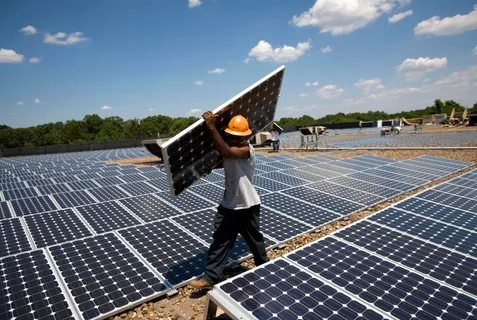
Residential solar installation involves several important steps. First, professionals assess the property to determine whether its roof can support solar panels. They also review electricity usage and available sunlight. These details help establish the system size and equipment requirements.
Solar panels contain photovoltaic cells that convert sunlight into electrical energy. An inverter then converts the generated electricity into a form that household appliances can use. Additionally, monitoring equipment helps homeowners track system production and identify possible performance changes.
How Solar Systems Generate Electricity
A typical residential system includes several connected components:
- Solar panels: Capture sunlight and produce direct current electricity.
- Inverter: Converts direct current into alternating current for household use.
- Mounting equipment: Secures panels to the roof or another suitable surface.
- Electrical connections: Connect the system with the property’s electrical setup.
- Monitoring system: Tracks electricity production and system performance.
However, not every property needs the same configuration. Roof direction, shading, panel placement, and electricity consumption all affect system design.
Homeowners should also understand their utility’s connection requirements. Some systems connect to the electrical grid, while others include battery storage. Consequently, a professional assessment helps determine which arrangement makes the most sense.
Choosing the Right Solar System for Your Home
Selecting a suitable system starts with understanding how much electricity your household uses. Reviewing recent utility bills provides a useful starting point. Homeowners can identify average monthly consumption and notice seasonal changes.
Moreover, roof size and condition influence the number of panels a property can accommodate. A roof with significant shading may require a different layout. Therefore, installers should examine surrounding trees, nearby buildings, and roof orientation before recommending equipment.
Planning Reliable Solar Solutions for Different Properties
The best reliable solar system should match your property’s actual energy requirements. A larger system does not automatically provide better value. Instead, homeowners should focus on suitable capacity, equipment quality, and expected electricity production.
Consider these five practical points before choosing a system:
- Review electricity usage: Check monthly bills to understand your household’s energy needs.
- Inspect roof conditions: Evaluate roof age, structure, available space, and shading.
- Compare panel options: Review efficiency ratings, product warranties, and manufacturer information.
- Understand inverter choices: Ask about inverter performance, compatibility, and maintenance.
- Check installation requirements: Confirm permits, electrical standards, and utility approval.
Furthermore, homeowners should request a clear written estimate. It should explain equipment specifications, installation costs, warranties, and expected system output.
These details make comparisons easier. They also help homeowners avoid choosing equipment based only on its advertised price.
Finding Professional Solar Services in Your Area
Finding the right installation company requires careful research. Homeowners often search online for best solar services near me service when comparing local providers. However, a strong decision should involve more than website rankings or promotional offers.
Look for companies that explain their installation process and provide clear project information. Additionally, check customer feedback, relevant experience, equipment options, and warranty coverage.
What to Look for in a Solar Installation Company
A professional installer should understand residential electrical systems and local installation requirements. They should also explain the differences between available equipment without making unrealistic promises.
When comparing trusted solar companies near me in Alhambra,consider these five factors:
- Relevant experience: Ask about previous residential installation projects.
- Proper licensing: Confirm that the company meets applicable contractor and electrical licensing requirements.
- Transparent estimates: Request detailed pricing and equipment information.
- Warranty support: Understand coverage for panels, inverters, and workmanship.
- Customer communication: Choose a provider that answers questions and explains project stages.
Meanwhile, residents in Camarillo and Alhambra should check local building requirements before starting installation. Utility policies may also affect system approval and grid connections.
A careful comparison helps homeowners identify providers that prioritize safety, clear communication, and suitable system design.
Preparing Your Property for Solar Installation
Proper preparation helps prevent delays during a residential solar project. Before installation begins, homeowners should review their roof condition, electrical panel, and available installation space.
An older roof may need repairs or replacement before installers mount the panels. Likewise, an outdated electrical panel may require an upgrade to support the proposed system. Therefore, addressing these issues early can reduce complications later.
Five Important Preparation Steps
Homeowners can make the installation process easier by following these practical steps:
- Arrange a roof inspection: Check for leaks, damaged shingles, and structural concerns.
- Review electrical capacity: Ask an electrician to assess the existing electrical panel.
- Clear installation areas: Remove unnecessary obstacles around the planned work area.
- Discuss project access: Confirm how installers will access the roof and electrical equipment.
- Organize documentation: Keep utility bills, property details, permits, and project estimates available.
Additionally, homeowners should discuss installation timelines with their contractor. Weather, equipment availability, inspections, and utility approvals can affect the schedule.
Good communication also helps everyone understand their responsibilities. As a result, homeowners can prepare their property without unnecessary confusion.
Maintaining Your Solar System for Long-Term Performance
Solar systems generally require limited routine maintenance. However, homeowners should monitor their equipment to maintain consistent performance. Dust, leaves, bird debris, and nearby tree growth can affect panel output.
Regular visual inspections help identify potential concerns. For example, homeowners may notice visible dirt, damaged mounting equipment, or unusual changes in energy production. Nevertheless, trained professionals should handle electrical inspections and repairs.
Five Ways to Support System Efficiency
A few practical habits can help homeowners maintain their equipment:
- Monitor energy production: Review monitoring reports and compare seasonal performance.
- Keep panels clear: Arrange suitable cleaning when dirt or debris affects production.
- Inspect surrounding trees: Manage excessive shading through appropriate property maintenance.
- Check system alerts: Contact a qualified professional if monitoring equipment reports an issue.
- Review warranties: Keep installation records and equipment documents for future reference.
Furthermore, homeowners should avoid climbing onto roofs to inspect or clean panels themselves. Professional maintenance provides a safer approach.
The system’s inverter also deserves attention. Its performance can affect how efficiently generated electricity reaches household appliances.
With regular monitoring and timely professional support, homeowners can identify concerns before they become larger problems. Therefore, maintenance remains an important part of responsible system ownership.
Making an Informed Decision About Residential Solar
Investing in residential solar requires careful planning and realistic expectations. Homeowners should understand installation expenses, electricity usage, available incentives, and long-term equipment requirements before making a decision.
Additionally, savings depend on several factors. These include system size, sunlight exposure, utility rates, financing terms, and local electricity policies. Consequently, homeowners should request property-specific estimates instead of relying on general savings claims.
Understanding Costs, Warranties, and Energy Expectations
Before approving a project, ask the installer to explain the following five points:
- Total project cost: Review equipment, labor, permits, and additional electrical work.
- Estimated production: Understand how much electricity the proposed system may generate.
- Utility arrangements: Ask about net billing, export credits, and connection policies.
- Warranty coverage: Check product warranties and installation workmanship protection.
- Future expenses: Discuss possible inverter replacement and maintenance costs.
Moreover, homeowners should understand whether battery storage suits their requirements. Batteries can provide backup power during certain outages when the system includes suitable equipment. However, not every solar setup offers backup functionality.
Residents should also verify current incentives through official government and utility sources. Policies can change, so current eligibility matters more than older promotional information.
A detailed assessment helps homeowners understand the benefits and limitations of their investment. Ultimately, informed decisions support better planning and more realistic expectations.
Conclusion
Residential solar installation can help homeowners take greater control of their electricity generation. However, choosing the right system requires attention to property conditions, household consumption, equipment quality, and local utility requirements.
Camarillo homeowners should begin by reviewing their electricity bills and evaluating their roof’s sunlight exposure. Similarly, Alhambra residents can compare available equipment and installation requirements before selecting a contractor. These early steps help establish realistic expectations.
Working with Quality Power Solutions can help homeowners explore suitable residential energy options and understand important installation considerations. Professional guidance also makes it easier to review equipment specifications, project estimates, and maintenance requirements.
For homeowners researching affordable solar services in Camarillo, comparing installation experience, transparent pricing, and warranty coverage can support a more confident decision.
Likewise, anyone considering a system should ask questions about electricity production, utility connections, and future maintenance. A professional assessment can identify property-specific requirements and help prevent avoidable installation problems.
Solar energy is not a one-size-fits-all solution. Therefore, homeowners should focus on their actual needs rather than choosing a system based only on advertised savings. With careful research and suitable planning, a residential solar system can become a practical part of a property’s long-term energy strategy.
FAQs
1. How does residential solar installation work?
Installers assess the property, design a suitable system, install the panels and inverter, and arrange required inspections and utility connections.
2. Are solar panels suitable for homes in Camarillo?
Many Camarillo properties may suit solar installation. However, roof condition, shading, available space, and electricity usage determine suitability.
3. How many solar panels does a home need?
The number depends on household electricity consumption, panel efficiency, roof space, and expected energy production.
4. Do solar panels require regular maintenance?
Solar panels generally need limited maintenance. Homeowners should monitor performance, check for debris, and arrange professional inspections when necessary.
5. Can solar panels provide electricity during a power outage?
Standard grid-connected systems usually shut down during outages for safety. A compatible battery and backup configuration may provide electricity during certain outages.