Homeowners looking for reliable solar repair services in Woodland Hills, CA, often want to understand why their solar panels are producing less electricity than expected. A residential solar energy system depends on several connected components, including panels, inverters, wiring, and monitoring equipment. When one component develops a fault, the system may lose efficiency or stop generating power.
However, reduced solar production does not always indicate damaged panels. Inverter errors, loose electrical connections, shading, and monitoring problems can also affect performance. Therefore, identifying the underlying cause is essential before deciding whether equipment needs repair or replacement.
Quality Power Solutions provides solar installation and energy-efficient roofing solutions for California homeowners. Understanding how existing solar systems operate helps property owners recognize performance problems and make informed decisions about inspections, maintenance, and future upgrades.
Common Solar Panel Problems That Require Attention
Solar panels operate outdoors for many years, exposing their components to sunlight, temperature changes, moisture, and environmental debris. Although modern systems are designed for durability, individual parts can develop problems that affect electricity production.
Understanding these warning signs helps homeowners determine when professional solar panel repair or diagnostic testing may be necessary.
Warning Signs of Solar System Malfunctions
Several performance changes can indicate developing equipment problems:
- Reduced Energy Production: Unexpected drops in electricity generation may indicate shading, dirt buildup, or equipment faults.
- Inverter Error Messages: Warning lights or error codes can signal electrical or communication problems.
- Damaged Solar Panels: Visible cracks, broken glass, or damaged connectors require professional evaluation.
- Monitoring Interruptions: Missing production data may indicate communication issues rather than actual power loss.
- Unexpected System Shutdowns: Repeated interruptions can result from electrical protection devices or equipment failures.
However, homeowners should compare production data with previous periods and seasonal conditions before assuming the system needs repairs.
How Professional Solar System Inspections Work
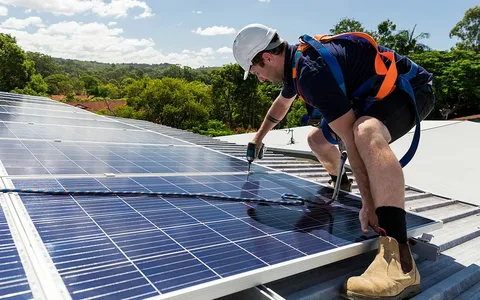
A proper solar inspection examines the components responsible for converting sunlight into usable electricity. Technicians review system information, identify possible faults, and determine which components require additional testing.
Professional solar system troubleshooting helps distinguish equipment failures from normal changes in energy production. Additionally, a structured inspection can prevent unnecessary component replacements.
Essential Steps in Solar System Diagnostics
A thorough inspection may include:
- Reviewing historical energy production and monitoring reports.
- Checking inverter status, fault codes, and operating conditions.
- Inspecting visible wiring, connectors, and electrical enclosures.
- Evaluating solar panel condition and potential shading.
- Testing electrical performance using appropriate equipment.
For example, a system that suddenly produces less electricity may have an inverter issue rather than damaged panels.
Homeowners considering solar system evaluations in Norwalk, CA should also understand how roof conditions, sunlight exposure, and electrical requirements affect solar performance. These factors matter during both system assessments and future installation planning.
Solar Inverter Repairs and Electrical Component Issues
The inverter plays an essential role in a solar power system. It converts direct current generated by solar panels into alternating current for household use.
When the inverter develops a fault, electricity production may decline or stop. Therefore, understanding solar inverter repair requirements helps homeowners make informed decisions about equipment servicing.
Common Inverter and Electrical Problems
Several conditions can affect inverter performance:
- Overheating: Poor ventilation or high operating temperatures can trigger protective shutdowns.
- Communication Errors: Monitoring equipment may lose its connection to the inverter.
- Electrical Connection Faults: Damaged or deteriorated connections can interrupt normal operation.
- Component Wear: Internal electronic components may fail as equipment ages.
- Grid-Related Interruptions: Voltage or frequency conditions can cause automatic system shutdowns.
Some inverter problems require configuration changes, while others need component replacement.
Additionally, homeowners should review manufacturer warranties before authorizing repairs. Electrical testing and equipment servicing should always be performed by appropriately qualified professionals.
Understanding Solar Repair Costs and Replacement Decisions
The cost of repairing a solar energy system depends on the affected component, diagnostic requirements, labor, and equipment availability. Minor monitoring problems may require limited adjustments, while inverter replacements can involve more extensive work.
Homeowners comparing affordable solar repair services should focus on accurate diagnostics and written estimates rather than assuming the least expensive option is appropriate.
Factors That Influence Solar System Repair Costs
Five considerations commonly affect repair expenses:
- Type of Equipment Failure: Inverter, panel, and wiring problems require different repairs.
- System Accessibility: Rooftop access and equipment placement can influence labor requirements.
- Replacement Parts: Availability and manufacturer specifications affect material costs.
- Warranty Coverage: Existing equipment warranties may cover qualifying failures.
- System Age: Older equipment may have limited replacement-part availability.
Sometimes, replacing an aging component makes more financial sense than repeatedly repairing it.
For homeowners considering professional solar installation services, reviewing the condition of existing equipment can also help determine whether upgrading the system is practical.
A qualified assessment should explain the available options without assuming that every performance issue requires a complete replacement.
Preventive Maintenance for Long-Term Solar Performance
Routine maintenance helps homeowners identify developing problems before they cause extended system downtime. Although solar panels require relatively little maintenance, their electrical components and mounting systems still benefit from periodic evaluation.
Professional solar panel maintenance focuses on equipment condition, production monitoring, and identifying potential performance concerns.
Practical Solar Maintenance Recommendations
Homeowners can support system performance through several preventive measures:
- Monitor Energy Production: Review system output regularly to recognize unusual changes.
- Check Visible Equipment: Look for damaged components without touching electrical connections.
- Evaluate Shading: Identify new tree growth or obstacles that reduce sunlight exposure.
- Review Roof Conditions: Watch for roofing deterioration near solar mounting locations.
- Schedule Professional Inspections: Arrange evaluations when monitoring indicates persistent abnormalities.
Roof condition also affects long-term solar system reliability. Homes with aging roofing materials may require additional planning before major equipment work.
For example, homeowners evaluating solar-compatible roofing in Woodland Hills, CA should consider how mounting hardware, roof durability, and access requirements affect future maintenance.
Choosing Qualified Professionals for Solar System Repairs
Selecting a suitable solar professional involves more than finding someone familiar with solar panels. Repair work requires knowledge of electrical safety, inverter technology, system monitoring, and applicable installation standards.
Homeowners seeking expert solar repair services should evaluate technical experience, licensing, and the provider’s ability to inspect their particular equipment.
What to Check Before Hiring a Solar Professional
Five practical considerations can help guide contractor selection:
- Appropriate Licensing: Verify the contractor’s California license and qualifications for the intended work.
- Equipment Experience: Ask about experience with the system’s inverter and panel manufacturers.
- Diagnostic Procedures: Confirm that the provider investigates faults before recommending replacement.
- Written Estimates: Request clear explanations of labor, materials, and potential additional costs.
- Warranty Considerations: Understand how proposed repairs could affect existing equipment coverage.
Quality Power Solutions focuses on residential solar installations and energy-efficient roofing improvements. Homeowners should confirm the availability of repair-specific work before scheduling a service visit.
Clear communication about the existing system, reported faults, and expected inspection scope helps avoid misunderstandings.
Conclusion
Solar energy systems can provide dependable electricity generation when their components operate correctly. However, inverter faults, wiring problems, damaged equipment, and environmental conditions may affect performance over time.
Homeowners in Woodland Hills and Norwalk, CA, should monitor production data and investigate significant performance changes rather than immediately assuming their solar panels need replacement.
A professional inspection can help identify the cause of reduced electricity production and clarify which repairs may be appropriate. Additionally, reviewing equipment warranties and comparing written estimates supports better financial decisions.
Choosing reliable solar repair services in Woodland Hills, CA requires attention to contractor qualifications, diagnostic methods, and equipment compatibility.
Routine monitoring and preventive maintenance also help homeowners recognize potential problems before they become more disruptive.
Quality Power Solutions offers solar installation and roofing solutions for homeowners considering system improvements or future energy upgrades.
Ultimately, understanding the condition of existing solar equipment helps property owners make informed decisions about maintenance, repairs, and replacement options.
FAQ’s
What are the most common solar panel problems?
Common problems include reduced electricity production, inverter faults, damaged wiring, monitoring errors, and physical panel damage. Professional diagnostics can identify the actual cause.
How much do solar repair services cost?
Costs depend on the equipment involved, labor requirements, replacement parts, and warranty coverage. A detailed inspection helps determine the necessary work.
Can a damaged solar inverter be repaired?
Some inverter problems can be repaired, while others require replacement. The appropriate solution depends on the fault, equipment condition, and manufacturer guidance.
How often should homeowners inspect their solar systems?
Homeowners should monitor electricity production regularly and arrange professional inspections when they notice persistent faults or unexpected changes in performance.
Should I repair or replace my existing solar panels?
The decision depends on panel condition, warranty coverage, replacement availability, and repair expenses. A qualified assessment can help determine the most practical option.