
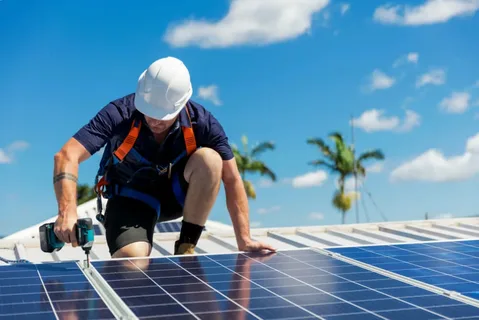
Choosing the right energy system can help homeowners manage electricity costs and make better use of natural sunlight. In Camarillo, CA, sunny weather creates favorable conditions for residential solar systems. However, the right setup depends on your home’s energy needs, roof condition, budget, and long-term plans. Understanding these factors helps you make an informed decision before investing in new equipment.
Reliable solar solutions can support household energy needs while reducing dependence on electricity from the utility grid. With proper planning, homeowners can select equipment that suits their property and daily energy use. Moreover, a well-designed system can help manage electricity consumption during periods of high demand. Actual savings depend on system performance, utility rates, available incentives, and household usage.
Quality Power Solutions helps homeowners explore energy solutions that fit their properties and practical goals. Before starting a project, homeowners should review roof exposure, shading, electrical capacity, and local permitting requirements. These details can affect installation costs and overall performance.
Additionally, homeowners in Camarillo and Alhambra should understand how utility billing policies affect the financial benefits of generating electricity at home. Comparing equipment options and maintenance requirements can prevent costly surprises later. The following guide explains what homeowners should consider when planning a residential energy project, from choosing equipment to maintaining a reliable system over time.
Understanding Residential Solar Solutions
Residential energy systems convert sunlight into electricity that households can use for everyday activities. A typical photovoltaic system includes panels, an inverter, mounting equipment, electrical connections, and monitoring technology. Each component plays a role in producing and delivering usable electricity.
However, installing panels alone does not guarantee lower energy bills. System performance depends on sunlight exposure, roof orientation, equipment quality, and household consumption. Therefore, homeowners should evaluate their property’s conditions before choosing a system size.
How Solar Technology Works for Homeowners
Solar panels contain photovoltaic cells that generate direct-current electricity when sunlight reaches them. An inverter converts that electricity into alternating current, which powers common household appliances. If the system produces more electricity than the home needs, the excess may enter the utility grid under the applicable utility agreement.
Furthermore, homeowners can explore battery storage when they want to keep some generated electricity for later use. Batteries may provide additional flexibility during certain outages, depending on the equipment and system design. However, not every system includes backup power, so buyers should confirm this feature before installation.
Homeowners should also understand the difference between energy production and energy consumption. For example, a household that uses most of its electricity after sunset may benefit from a different setup than one that consumes more power during daylight hours.
Ultimately, the best system should match the property’s energy requirements rather than simply maximize the number of panels installed.
Planning the Right Solar System for Your Property
A successful residential energy project starts with a detailed property assessment. Installers should review recent electricity bills, roof dimensions, shading, and the condition of the existing electrical system. These details help determine how much electricity a system can reasonably produce.
Moreover, homeowners should consider future changes in energy use. An electric vehicle, home addition, or new heating system may increase electricity demand. Planning for these changes can help prevent the need for expensive upgrades later.
Choosing Reliable Solar Equipment
Reliable equipment should offer suitable performance, clear warranty terms, and compatibility with the home’s electrical setup. Homeowners should compare panel efficiency, inverter technology, monitoring features, and manufacturer support.
For example, a shaded roof may require a different equipment configuration from a roof with consistent sunlight throughout the day. Likewise, older electrical equipment may need attention before the installation begins.
When comparing expert solar installation service options, homeowners should ask providers to explain their proposed system size, estimated production, and expected costs. They should also request a clear breakdown of equipment, labor, permits, and any additional electrical work.
Here are five practical points to review before choosing a system:
- Roof condition: Check whether the roof needs repairs or replacement before installation.
- Sun exposure: Identify trees, nearby buildings, and other sources of shade.
- Energy consumption: Review electricity bills from different seasons.
- Equipment warranties: Understand the coverage for panels, inverters, and workmanship.
- Future requirements: Consider possible increases in household electricity use.
Additionally, ask for production estimates based on your actual property conditions. Avoid relying on guaranteed savings without reviewing the assumptions behind those figures.
Solar Installation and Panel Repair Considerations
Installation quality directly affects system safety, performance, and long-term reliability. A properly planned project includes equipment selection, roof preparation, mounting, electrical connections, inspections, and utility coordination. Each stage should follow applicable codes and manufacturer requirements.
Furthermore, homeowners should understand the process before work begins. Clear communication helps them prepare for installation visits, inspection schedules, and possible utility approval delays.
What to Expect During Installation
Professional solar installation in Alhambra generally begins with an assessment of the property and the household’s electricity needs. The installer then develops a system design and identifies the permits and approvals required for the project.
After approval, technicians install the mounting equipment, panels, inverter, and electrical connections. They should also verify that the system meets applicable safety requirements before activation. In many cases, the utility must authorize grid connection before the system can operate as intended.
Over time, equipment may require inspection or repairs. Reduced electricity production, monitoring alerts, inverter warnings, or visible damage can indicate a problem. However, these symptoms do not always mean the panels themselves have failed.
When arranging reliable solar panel repair, homeowners should request a professional diagnosis before replacing equipment. A qualified technician can check the inverter, wiring, connections, monitoring system, and panel condition.
Five practical steps can help protect your investment:
- Keep installation documents and equipment warranties in a safe place.
- Review system monitoring data regularly.
- Arrange professional inspections when performance changes unexpectedly.
- Keep trees trimmed when their growth creates new shading.
- Avoid opening electrical equipment or attempting rooftop repairs yourself.
These practices help homeowners address problems early while protecting personal safety.
Improving Energy Efficiency and Long-Term Performance
A residential energy system works best when it matches the home’s electricity habits. Homeowners can improve overall energy management by combining appropriate system design with practical efficiency measures. Therefore, the first step is to understand when the household consumes the most electricity.
For example, running certain appliances during daylight hours may help households use more of their own generated electricity. The benefits depend on the system’s output, appliance requirements, and the utility’s billing arrangement.
Everyday Habits That Support Better Results
Energy efficiency does not always require expensive equipment. Small improvements can reduce unnecessary electricity use and help homeowners make better use of their existing systems.
Additionally, homeowners should pay attention to seasonal changes. Heating, cooling, and lighting needs may vary throughout the year, affecting both energy production and household demand.
Consider these five practical strategies:
- Use monitoring tools: Track electricity production and identify unusual changes.
- Manage appliance schedules: Run suitable appliances when your system produces electricity.
- Improve insulation: Reduce heating and cooling losses throughout the home.
- Maintain cooling equipment: Replace filters and schedule routine HVAC maintenance.
- Review energy bills: Compare consumption and utility charges over time.
However, shifting appliance use will not eliminate every electricity charge. Fixed utility fees, nighttime consumption, and applicable export-credit rules may still affect the bill.
Homeowners should also ask how their utility calculates credits for excess electricity. These rules can influence whether battery storage or a different system size makes financial sense.
A balanced approach combines suitable equipment, sensible energy habits, and regular performance reviews. This helps homeowners evaluate actual results instead of relying entirely on projected savings.
Costs, Warranties, and Choosing a Qualified Provider
The cost of a residential energy project depends on several factors. System size, equipment selection, roof complexity, electrical upgrades, permitting, and battery storage can all affect the final price. Consequently, homeowners should compare detailed written estimates rather than choosing a provider based only on the lowest initial quote.
Moreover, financing arrangements can change the total amount paid over time. Buyers should review interest rates, loan terms, fees, and ownership conditions before signing an agreement.
Questions to Ask Before Hiring an Installer
A qualified provider should explain the proposed design in understandable language. They should also identify the permits required, describe the installation process, and clarify who handles inspections and utility coordination.
Five questions can help homeowners evaluate a provider:
- Experience: Can the provider explain similar residential projects and relevant qualifications?
- Licensing: Does the contractor hold the required licenses for the work?
- Insurance: Can the provider confirm appropriate insurance coverage?
- Warranty coverage: Which parts, labor, and workmanship issues does the agreement cover?
- Service support: Who should homeowners contact if the system develops a problem?
Additionally, homeowners should review contracts carefully. Check equipment specifications, installation timelines, payment schedules, cancellation terms, and any production estimates.
Ask whether projected savings account for utility charges, maintenance, financing costs, and potential changes in electricity rates. A trustworthy estimate should clearly explain its assumptions instead of promising a specific financial result.
Homeowners in Camarillo and Alhambra should also confirm local permitting requirements and utility interconnection procedures before committing to a project.
Taking time to compare providers can reduce confusion and help homeowners choose a system that suits their property, budget, and long-term expectations.
Conclusion
Residential energy projects require careful planning, suitable equipment, and reliable installation practices. Homeowners should begin by reviewing electricity bills, checking roof conditions, and understanding how their utility handles excess energy. These steps provide a practical foundation for comparing system designs and estimating potential benefits.
In Camarillo, sunny conditions can support residential electricity production. However, roof shading, seasonal weather, household consumption, and utility policies still influence system performance. Therefore, homeowners should request property-specific estimates instead of relying on general savings claims.
Regular monitoring also helps maintain performance over time. If electricity production drops unexpectedly, a professional inspection can identify whether the issue involves the inverter, wiring, shading, or another component. Timely maintenance may help prevent minor concerns from becoming larger problems.
For homeowners comparing reliable solar installation in Camarillo, CA, it makes sense to review equipment warranties, installation standards, service support, and total project costs before making a decision. Residents in Alhambra should follow the same approach while checking the requirements and utility policies that apply to their properties.
Quality Power Solutions can be a starting point for homeowners researching residential energy options and planning their next steps. Before moving forward, ask for a clear explanation of the proposed system, installation process, and ongoing maintenance needs.
Ultimately, a well-planned project should fit your household’s actual energy use and financial goals. Comparing qualified providers, asking practical questions, and understanding the limitations of each option can help you make a confident, informed decision.
FAQs
What factors affect the performance of a residential solar system?
Roof orientation, shading, weather, equipment condition, and system design all affect electricity production.
How long does residential solar installation take?
Physical installation may take a few days, but permitting, inspections, and utility approval can extend the overall timeline.
When should homeowners arrange solar panel repair?
Arrange a professional inspection when monitoring alerts appear, production drops unexpectedly, or equipment shows visible damage.
Can solar panels eliminate electricity bills completely?
Not always. Fixed utility fees, nighttime electricity use, and local billing policies may leave homeowners with ongoing charges.
Do homeowners need to maintain their solar systems?
Yes. Regular performance monitoring and occasional professional inspections can help identify problems and support reliable operation.