
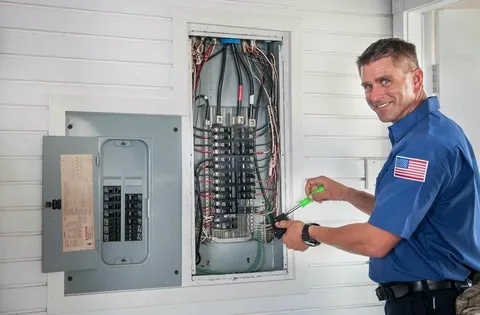
Electrical problems can develop gradually, making them difficult for homeowners to recognize. A flickering light, a warm outlet, or a circuit breaker that trips repeatedly may indicate a problem that needs attention. Although some electrical issues seem minor, ignoring them can increase the risk of electrical fires, damaged appliances, and unexpected power outages. Regular inspections and timely repairs help keep household electrical systems in good working condition.
Homeowners in Pasadena, CA, benefit from understanding how electrical systems work and when to seek professional assistance. Older homes may have outdated wiring, while newer properties can experience overloaded circuits as families add appliances, computers, and other equipment. Therefore, maintaining a safe electrical system requires more than replacing a damaged switch. It also involves checking connections, evaluating circuit capacity, and identifying potential hazards before they become serious.
Quality Power Solutions helps homeowners understand the importance of reliable electrical maintenance and professional repairs. With the right approach, homeowners can address existing concerns, improve everyday safety, and prepare their electrical systems for future needs. Furthermore, knowing which warning signs to watch for makes it easier to arrange repairs before a minor issue disrupts daily life.
Why Professional Electrical Services Matter for Home Safety
Electrical systems power nearly every essential feature of a modern home. Lighting, heating and cooling equipment, kitchen appliances, and entertainment devices all depend on properly installed wiring and electrical components. However, damaged wires, loose connections, and overloaded circuits can create serious safety concerns.
Professional electricians use appropriate testing equipment and established safety procedures to identify problems. They examine the affected components, determine the underlying cause, and recommend suitable repairs. Consequently, homeowners receive a more reliable solution than a temporary fix that addresses only the visible symptoms.
Identifying Electrical Hazards Before They Become Serious
An electrical inspection can reveal issues that homeowners might otherwise overlook. For example, an electrician may discover loose connections behind an outlet, deteriorating insulation, or a circuit that regularly carries more electricity than it should.
Several warning signs deserve prompt attention:
- Frequent breaker trips: A circuit may be overloaded or affected by a fault.
- Burning smells: An unusual odor near an outlet or electrical panel requires immediate attention.
- Flickering lights: Loose connections, circuit problems, or other electrical faults may cause inconsistent lighting.
- Warm outlets: Excessive heat can indicate a dangerous connection or overloaded circuit.
- Damaged cords: Frayed insulation can expose conductors and increase the risk of electric shock.
If you notice smoke, sparks, or a burning smell, keep away from the affected equipment and seek emergency assistance when necessary. Do not remove electrical panel covers or attempt repairs yourself.
Professional maintenance also helps homeowners understand the condition of their existing systems. Instead of waiting for a failure, they can prioritize necessary repairs and plan future improvements.
How Professional Electricians Improve Electrical Reliability
A reliable electrical system should support everyday household needs without frequent interruptions. Nevertheless, older wiring, damaged components, and changing electricity demands can affect performance. Professional electricians evaluate these conditions and determine which improvements will provide the greatest benefit.
Reliable Electrical Services in Pasadena, CA, for Modern Homes
Reliable electrical services in Pasadena, CA, help homeowners address safety concerns while maintaining consistent power throughout their properties. An electrician can inspect circuits, test connections, and investigate problems that affect lighting or appliances.
The appropriate solution depends on the cause of the issue. For example, a flickering light may result from a faulty bulb, a loose connection, or a larger circuit problem. Therefore, identifying the cause is essential before choosing a repair.
Homeowners can also take several practical steps to maintain electrical reliability:
- Avoid overloading outlets: Use properly rated outlets and circuits for household equipment.
- Replace damaged components: Have faulty switches, receptacles, and wiring repaired by a qualified professional.
- Monitor breaker behavior: Arrange an inspection if breakers trip repeatedly.
- Schedule inspections: Ask an electrician to assess older systems or investigate recurring concerns.
- Plan for new appliances: Check electrical capacity before installing equipment with high power demands.
These measures help homeowners recognize potential problems early. However, they do not replace professional testing when a fault occurs.
A qualified electrician can explain the available options, outline the work involved, and identify any additional concerns discovered during an inspection. This clear communication helps homeowners make informed decisions about repairs and long-term maintenance.
When Electrical Repairs and Panel Upgrades Become Necessary
Electrical repairs address existing faults, while panel upgrades can improve a home’s ability to distribute electricity safely. Both services play an important role in maintaining a dependable electrical system.
Understanding Electrical Repair Services Pasadena Homeowners May Need
Reliable Electrical Repair Services Pasadena service homeowners choose should address the underlying cause of a problem rather than simply hide its symptoms. A professional electrician may repair damaged wiring, replace faulty switches, correct loose connections, or investigate circuits that repeatedly lose power.
For example, a breaker that trips whenever several kitchen appliances operate may indicate an overloaded circuit. Repeatedly resetting it without investigating the cause will not resolve the underlying issue.
An electrical panel upgrade may become appropriate when the existing panel has insufficient capacity, shows signs of damage, or cannot safely support planned improvements. However, a larger panel is not automatically necessary whenever a home experiences an electrical problem. An electrician should first evaluate the existing equipment and the home’s electrical requirements.
Consider these five practical points when arranging electrical work:
- Describe the symptoms: Explain when the problem started and which appliances or rooms are affected.
- Request a proper diagnosis: Ask the electrician to identify the likely cause before starting repairs.
- Discuss panel capacity: Review electrical demands before adding major appliances or equipment.
- Check permits: Confirm whether the proposed work requires permits or inspections under local rules.
- Review the completed work: Ask what was repaired and whether any further maintenance is recommended.
These steps help homeowners understand the scope of the project. Additionally, clear explanations make it easier to compare repair options without choosing unnecessary upgrades.
The Importance of Safe Wiring and Electrical Inspections
Wiring forms the foundation of a home’s electrical system. When installed correctly and maintained properly, it delivers electricity to outlets, lighting fixtures, and appliances. However, deteriorating insulation, loose connections, and improper modifications can create hidden hazards.
How Home Electrical Wiring Pasadena Projects Support Safety
Professional Home Electrical Wiring Pasadena in Simi Valley services can help homeowners address damaged wiring, replace unsafe components, and support new electrical installations. The correct solution depends on the property’s age, wiring condition, electrical load, and renovation plans.
Older homes may require closer attention because previous owners sometimes added circuits or modified wiring without updating the entire system. Furthermore, modern appliances can place different demands on electrical infrastructure than older equipment did.
A professional inspection can help identify conditions that require correction. Homeowners should also understand that not every older wiring system automatically needs complete replacement. An electrician can assess its condition and explain which improvements are necessary.
Five practical steps can support safer electrical maintenance:
- Inspect visible cords: Replace damaged cords and avoid running them beneath rugs.
- Use suitable outlets: Have a qualified electrician evaluate outlets that lack appropriate grounding or protection.
- Install required safety devices: Ask about ground-fault circuit interrupters (GFCIs) in locations where electrical shock risks are higher.
- Check smoke alarms: Test alarms regularly and follow manufacturer guidance for maintenance.
- Arrange inspections after renovations: Confirm that new wiring and electrical connections meet applicable requirements.
Safe wiring depends on correct installation, suitable materials, and compliance with applicable electrical codes. Therefore, homeowners should use qualified professionals for electrical modifications rather than attempting complex work themselves.
Preparing Your Home for Changing Electrical Needs
Household electricity use often increases as families add appliances, home office equipment, entertainment systems, and energy-efficient technologies. Consequently, an electrical system that once met a home’s needs may require an updated assessment.
Planning Electrical Improvements Without Unnecessary Expenses
A planned approach helps homeowners prioritize safety while managing renovation costs. Instead of replacing every component, an electrician can evaluate the existing system and recommend improvements based on its condition and intended use.
For example, installing an electric vehicle charger or upgrading kitchen appliances may require a review of available panel capacity. In contrast, replacing a standard light fixture may involve a much smaller project. The electrician should assess each situation individually.
Homeowners can prepare for future electrical needs through five practical steps:
- List planned upgrades: Identify major appliances, heating equipment, chargers, and other additions.
- Review current capacity: Ask an electrician whether the existing panel can support the expected electrical load.
- Set a maintenance budget: Allow for necessary repairs and inspections rather than postponing safety-related work.
- Understand project requirements: Confirm applicable permits, code requirements, and inspection procedures.
- Keep service records: Save inspection reports, invoices, and details of completed electrical work.
These steps help homeowners plan improvements more effectively. Moreover, discussing future needs before starting a renovation can reduce the likelihood of unexpected electrical changes during construction.
Homeowners in Whittier and Simi Valley should follow the same safety principles when arranging electrical work. Local requirements and property conditions may differ, so a qualified professional should confirm the applicable standards for each project.
Conclusion
Electrical safety depends on proper installation, routine maintenance, and timely repairs. Homeowners who recognize warning signs early can address potential hazards before they develop into larger problems. Additionally, professional inspections help identify damaged components, overloaded circuits, and wiring concerns that may not be immediately visible.
Working with qualified electricians also helps homeowners make informed decisions about repairs and upgrades. Rather than replacing equipment without a clear reason, they can evaluate the existing system, understand its limitations, and prioritize improvements according to safety and household needs.
For homeowners planning electrical improvements, Quality Power Solutions provides a starting point for understanding the role of professional electrical care. Before beginning a project, ask about the electrician’s qualifications, relevant licensing, insurance, estimated costs, and any permits the work may require. Clear communication can help prevent misunderstandings and ensure that everyone understands the project’s scope.
Furthermore, homeowners seeking reliable Electrical Repair Services Whittier can benefit from explaining their concerns clearly and requesting a professional assessment. This approach helps identify appropriate repairs while avoiding unnecessary work. It also provides an opportunity to discuss preventive maintenance and future electrical requirements.
Ultimately, a safe electrical system supports daily comfort, protects valuable equipment, and helps reduce preventable hazards. Regular inspections, appropriate repairs, and careful planning can keep household electricity dependable for years to come.
FAQs
What are the common signs of an electrical problem at home?
Frequent breaker trips, flickering lights, warm outlets, burning smells, and buzzing sounds may indicate electrical problems that require professional evaluation.
How often should homeowners schedule an electrical inspection?
Inspection frequency depends on the property’s age, condition, and electrical usage. Homeowners should also arrange an assessment when buying an older home, renovating, or noticing recurring problems.
When should I consider an electrical panel upgrade?
Consider an assessment if your panel lacks capacity for planned appliances, shows signs of damage, or cannot meet your home’s electrical requirements. An electrician can determine whether an upgrade is necessary.
Why should a professional handle home electrical wiring?
Electrical work involves shock, fire, and code-compliance risks. Qualified electricians have the training and equipment to assess wiring and complete work according to applicable requirements.
Can regular electrical maintenance help prevent unexpected problems?
Yes. Inspections and timely repairs can identify deteriorating components and other concerns before they cause larger disruptions. However, maintenance cannot eliminate every electrical risk.