
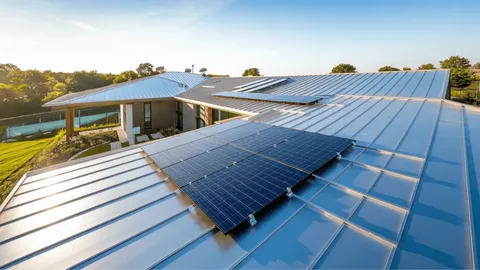
A roof does more than protect a home from rain and wind. It also affects indoor comfort, cooling needs, and household energy use. In sunny Southern California, roof materials and surface temperatures can influence how much heat enters a home during warmer months. Therefore, choosing the right roofing system can make a meaningful difference in everyday comfort.
Homeowners in Camarillo and Simi Valley have several options when planning a roof replacement or improvement. Reflective roofing materials, suitable insulation, proper ventilation, and careful installation can all support better energy performance. However, no single roofing material works best for every property. Roof slope, existing structure, local climate, and budget all matter.
Investing in reliable energy efficient roofs starts with understanding how roofing materials manage sunlight and heat. A reflective surface may reduce heat absorption, while good insulation helps limit heat transfer into living spaces. Together, these features can support a more comfortable home and may reduce cooling demand.
Quality Power Solutions is the company featured in this guide to energy-conscious home improvements. Before choosing a roofing system, homeowners should compare material specifications, expected maintenance, installation requirements, and long-term costs.
This guide explains the main features of energy-efficient roofing, how to compare available options, and what to consider before starting a roofing project in Camarillo or Simi Valley.
Understanding Energy-Efficient Roofing
An energy-efficient roof helps manage heat transfer between the outdoors and the living space. Its performance depends on several factors, including surface reflectivity, insulation, ventilation, and the condition of the existing roof.
How Roofing Materials Affect Home Comfort
Traditional dark roofing materials can absorb significant sunlight and become hot during the day. Some reflective roofing products send more sunlight back away from the building, which can reduce roof surface temperatures under suitable conditions.
However, reflectivity is only one part of the system. Insulation slows heat transfer, while proper attic ventilation can help manage heat and moisture. A roof with reflective materials may deliver limited benefits if the attic has poor insulation or existing ventilation problems.
Homeowners should also understand the difference between roof temperature and indoor temperature. A cooler roof surface does not guarantee a specific reduction in electricity use. The result depends on the entire building, including windows, walls, insulation, and air conditioning.
When reviewing roofing options, consider these factors:
- Solar reflectance: How much sunlight the roofing surface reflects.
- Thermal emittance: How effectively the surface releases absorbed heat.
- Insulation: How well the roof assembly slows heat transfer.
- Ventilation: How the system manages attic heat and moisture.
- Roof condition: Whether repairs or replacement are needed before upgrades.
Together, these features help homeowners make informed decisions rather than choosing materials based on color alone.
Benefits of Energy Efficient Roofs for Southern California Homes
Camarillo and Simi Valley experience plenty of sunshine, so managing solar heat gain can be useful for many homes. Still, the actual benefits depend on the building’s design and existing energy performance.
How a Reflective Roof Can Help
Well-designed high-performance energy efficient roofing services can reduce the amount of solar heat absorbed by a roof during sunny weather. As a result, some homes may experience less heat entering the attic and lower cooling demand.
Homeowners may benefit in several ways:
- Improved comfort: A suitable roofing system can help reduce unwanted heat gain.
- Potential energy savings: Lower cooling demand may reduce air conditioning use.
- Reduced roof temperatures: Reflective products can remain cooler than less reflective alternatives under similar conditions.
- Long-term planning: An energy-conscious roof can form part of a wider home efficiency strategy.
- Material options: Homeowners can compare products that suit different roof designs and budgets.
Moreover, roofing improvements work best alongside other upgrades. Sealing air leaks, adding appropriate insulation, and maintaining cooling equipment can improve overall performance.
Savings are not guaranteed. They depend on utility rates, household habits, roof orientation, insulation levels, and the existing cooling system. Therefore, homeowners should treat energy estimates as projections rather than promises.
Before choosing a product, review its published performance ratings and warranty. A qualified roofing professional can also assess whether the existing roof needs repairs, replacement, or additional insulation.
Comparing Roofing Materials and System Options
Different roofing materials offer different combinations of durability, appearance, cost, and energy performance. The best choice depends on the property’s design and the homeowner’s priorities.
Which Roofing Options Should You Consider?
When comparing energy efficient roofs, homeowners should look beyond the initial purchase price. A material that performs well in one setting may not suit every roof slope, structure, or architectural style.
Common options include:
- Reflective shingles: Certain shingles use specially designed granules to reflect more sunlight.
- Metal roofing: Some metal systems offer reflective finishes and long service lives when properly installed.
- Tile roofing: Tile can provide durability and thermal benefits, depending on the roof assembly and ventilation.
- Cool roof coatings: Suitable coatings may improve reflectivity on compatible roofing surfaces.
- Roof insulation upgrades: Improving insulation can reduce heat transfer regardless of the visible roof material.
Additionally, consider weight, roof structure, fire performance, maintenance needs, and manufacturer requirements. Tile, for example, may require structural support that some homes do not have.
Ask contractors to explain which products suit your roof and why. Request written specifications instead of relying on general claims. This approach helps you compare options based on performance, suitability, and total project cost.
Installation, Insulation, and Ventilation
Even quality roofing materials may underperform if the installer overlooks the roof assembly. Proper preparation, installation, insulation, and ventilation all affect the finished system.
Five Installation Details That Matter
A professional assessment should examine the existing roof, attic, and visible signs of moisture or damage. The contractor can then identify the work needed before installing new materials.
Keep these five points in mind:
- Inspect the roof deck: Check for rot, moisture damage, and weak areas.
- Use compatible materials: Follow manufacturer instructions for underlayment, flashing, fasteners, and roofing products.
- Review insulation: Check whether attic insulation meets the home’s needs and applicable requirements.
- Assess ventilation: Ensure the system manages heat and moisture without creating unintended problems.
- Protect vulnerable areas: Pay attention to roof penetrations, valleys, edges, and flashing.
Furthermore, ventilation should follow the design of the specific roof assembly. Adding vents without assessing existing airflow can sometimes create new problems.
Homeowners should also ask how the contractor will protect landscaping, manage debris, and keep the work area safe. A written scope should describe the materials, removal of old roofing, installation steps, cleanup, and expected schedule.
Finally, request documentation for product warranties and workmanship coverage. Proper installation helps support performance, but warranty terms and maintenance requirements still matter.
Budgeting and Maintaining Your Roofing Investment
Roofing costs vary with the home’s size, roof pitch, material choice, accessibility, and the amount of repair work required. Therefore, a detailed estimate is more useful than a general price per square foot.
Five Ways to Plan a Roofing Project
Quality professional Roofing services in Simi Valley should include a clear explanation of the work, materials, pricing, and schedule. Homeowners can also prepare by defining their priorities and comparing proposals carefully.
Use these five practical steps:
- Get written estimates: Compare the same scope of work across contractors.
- Check credentials: Verify relevant licensing, insurance, and references.
- Review warranties: Understand coverage for both materials and workmanship.
- Plan for hidden repairs: Keep a contingency for damage found after removing old roofing.
- Schedule routine inspections: Identify loose materials, damaged flashing, and blocked drainage early.
Additionally, ask whether the estimate includes old-material removal, disposal, permits where required, and repairs to the roof deck. Missing items can make a low initial quote more expensive later.
Maintenance also helps protect the investment. Keep gutters clear, check for visible damage after significant weather, and address leaks promptly. Avoid walking on roofing surfaces unless a qualified professional confirms it is safe.
Homeowners can review utility bills before and after an upgrade, while accounting for weather and changes in energy use. This provides a more realistic view of performance than assuming the roof alone caused every change.
Conclusion
Energy-efficient roofing can be a practical part of improving home comfort and managing cooling demand in Southern California. Reflective materials may reduce solar heat absorption, while suitable insulation and ventilation help manage heat transfer. However, results depend on the whole building and the quality of the installation.
Before choosing a roofing system, review your roof’s condition, structure, slope, and insulation. Compare product ratings, maintenance needs, warranties, and total project costs. Furthermore, ask contractors to explain why a particular system suits your property rather than relying on broad promises about savings.
Homeowners considering reliable Roofing services in Camarillo, CA should look for clear estimates, appropriate credentials, and a detailed plan for installation. The same principles apply in Simi Valley, although each home’s design and existing condition may call for different materials or upgrades.
Quality Power Solutions is featured in this guide as a company for homeowners to contact about its current services and qualifications. Before hiring, verify the company’s relevant credentials, request references, and review the written project scope.
Ultimately, an effective roofing upgrade balances energy performance, durability, appearance, and budget. With careful planning and routine maintenance, homeowners can make a better-informed decision that supports their property’s long-term needs.
FAQs
What makes a roof energy efficient?
Reflective materials, suitable insulation, proper ventilation, and correct installation can help reduce heat gain and improve overall roof performance.
Can energy-efficient roofing lower electricity bills?
It may reduce cooling demand in some homes. Actual savings depend on the roof, insulation, climate, utility rates, and household energy use.
Which roofing materials work well in Camarillo, CA?
Reflective shingles, suitable metal roofing, tile, and compatible cool roof systems may be options. The right choice depends on the property’s structure and design.
Should I replace my insulation when replacing my roof?
Not always. An inspection can identify whether existing insulation is adequate, damaged, or worth upgrading as part of the project.
How often should I inspect my roof?
Inspect it periodically and after significant weather. A qualified roofing professional can identify issues that may not be visible from the ground.