Explore the best solar services near me with practical tips on solar planning, installation, system design, and home energy needs in Pasadena and Whittier, CA.
Solar power can help homeowners produce electricity on their own property while making better use of available sunlight. However, choosing a system involves more than picking solar panels. Roof condition, energy consumption, available space, shading, equipment, and installation requirements all affect the project. Quality Power Solutions helps homeowners understand the practical side of solar planning. People searching for the best solar services near me often want to know how to compare options, prepare their property, and avoid common installation problems.
A residential solar project should begin with an assessment of the home and its current energy needs. A system that works well for one property may not suit another.
For homeowners in Pasadena, CA and Whittier, CA, understanding solar installation, system sizing, equipment selection, maintenance, and energy use can make the planning process more straightforward.
Why Homeowners Consider Solar Energy
Solar panels convert sunlight into electricity that a property can use. The value of a solar system depends on how well the system matches the home’s energy needs and site conditions.
Homeowners may consider solar to:
- Generate electricity on-site
- Reduce reliance on grid-supplied power
- Improve long-term energy planning
- Make use of available roof space
- Support renewable energy goals
- Better understand household electricity production
Solar performance varies from property to property, so homeowners should evaluate their individual conditions before selecting equipment.
Understanding the Best Solar Services Near Me
How the Best Solar Services Near Me Support Home Energy Planning
The best solar services near me in Pasadena, CA should address more than panel placement. A complete residential solar process can involve property assessment, energy analysis, system design, installation, electrical connections, testing, and ongoing maintenance.
A practical evaluation should consider:
- Current electricity consumption
- Roof size and condition
- Roof orientation
- Shading from trees or nearby structures
- Available installation space
- Existing electrical equipment
- Future household energy needs
These details help establish realistic expectations before installation begins.
Solar Installation Near Me: What Homeowners Should Know
Homeowners researching solar installation near me in Whittier, CA should understand the steps that typically take place before and during installation.
Property Assessment
The property should be reviewed to identify suitable installation areas and potential obstacles.
System Design
The system should reflect the home’s energy requirements, available space, panel positioning, and equipment specifications.
Roof Preparation
The roof should be evaluated before panels are installed. Existing damage or maintenance concerns may need attention before installation.
Panel Installation
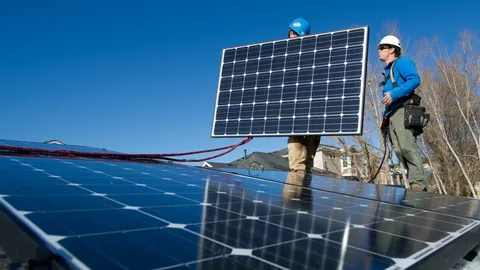
Panels are positioned according to the approved system design. Placement affects exposure to sunlight and overall system performance.
Electrical Connections
The solar equipment connects with the home’s electrical system using appropriate equipment and installation practices.
Testing
The completed system should undergo checks to confirm that its components operate as intended.
Choosing the Right Solar System for a Home
Not every household has the same energy profile. A home with high daytime electricity use may have different requirements from a property where most energy consumption occurs at night.
Homeowners should review:
- Monthly electricity usage
- Seasonal consumption changes
- Number of occupants
- Major electrical appliances
- Available roof space
- Future energy requirements
Looking at past utility bills can provide useful information when planning system capacity.
Solar Services for Home Energy Needs
Solar services for home in Whittier, CA projects should account for the way the household actually uses electricity. Solar production changes throughout the day, while household demand also changes based on routines.
For example, electricity use may increase when homeowners operate:
- Air conditioning
- Water heaters
- Kitchen appliances
- Laundry equipment
- Home office equipment
- Pool equipment
Understanding these patterns helps homeowners evaluate whether a proposed system aligns with their energy goals.
Roof and Shading Considerations
Roof condition can affect solar planning. Homeowners should consider the age, material, slope, and condition of the roof before installing equipment.
Shading also matters. Trees, neighboring structures, chimneys, and other obstacles can reduce sunlight reaching portions of the roof.
A site review should identify:
- Areas with consistent sunlight
- Heavily shaded sections
- Roof sections suitable for panels
- Potential maintenance concerns
- Obstacles that may affect panel placement
Good planning starts with understanding the actual property rather than assuming every roof provides the same conditions.
Common Solar Installation Mistakes
Installing Panels Without Reviewing the Roof
If a roof requires significant work, installing solar equipment first can complicate future maintenance.
Choosing System Size Without Reviewing Energy Use
A standard system size may not match a home’s actual electricity consumption.
Ignoring Shading
Shade from trees or structures can affect solar production and should form part of the site assessment.
Focusing Only on Panel Appearance
Panel appearance matters to some homeowners, but performance, equipment compatibility, installation quality, and long-term maintenance also deserve attention.
Forgetting Future Energy Needs
A household’s electricity use can change after adding appliances, expanding living space, or changing daily routines.
Best Practices for Residential Solar Planning
Homeowners can improve their solar planning process by:
- Reviewing recent electricity bills
- Inspecting roof condition
- Identifying shaded areas
- Considering future electricity use
- Comparing equipment specifications
- Understanding installation requirements
- Planning for system monitoring
- Keeping maintenance requirements in mind
A careful planning process can help reduce avoidable complications later.
Actionable Tips Before Installing Solar
Before moving forward with a residential solar project:
- Review at least several months of electricity usage.
- Inspect the roof for visible maintenance concerns.
- Identify trees and structures that create shade.
- Determine where panels could fit.
- Consider future changes in electricity use.
- Ask what equipment the system requires.
- Understand how the system connects to the home’s electrical setup.
- Review expected maintenance needs.
These steps give homeowners a clearer starting point for discussions about their property.
Factors That Affect Solar Performance
Several factors can influence how effectively a solar system produces electricity:
- Sun exposure
- Panel orientation
- Roof condition
- Shading
- System design
- Equipment selection
- Installation quality
- Household electricity use
- Regular system maintenance
No single factor determines performance. The entire system and property need to work together.
Conclusion
Residential solar requires thoughtful planning, suitable equipment, and an installation approach that accounts for the home’s actual conditions. The best solar services near me should help homeowners understand system design, roof considerations, energy use, installation requirements, and ongoing care rather than focusing on panels alone.
For homeowners in Pasadena, CA and Whittier, CA, understanding solar installation near me and solar services for home can make it easier to evaluate residential solar options. Quality Power Solutions helps homeowners approach solar projects with practical attention to property conditions, energy requirements, system design, and long-term performance.
FAQ
What are the best solar services near me?
The best solar services near me can include property assessment, energy analysis, system design, solar installation, electrical connections, testing, and ongoing system support.
What should I check before solar installation?
Review your roof condition, electricity usage, available installation space, shading, existing electrical equipment, and future household energy needs.
How does solar installation near me work?
Solar installation near me generally involves property assessment, system design, roof preparation, equipment installation, electrical connections, and system testing.
What are solar services for homes designed to address?
Solar services for homes can address residential energy needs through system planning, equipment selection, installation, and maintenance based on the property’s conditions.
Does roof shading affect solar performance?
Yes. Trees, buildings, chimneys, and other obstacles can limit sunlight reaching panels. A property assessment should identify shading before the system design is finalized.