
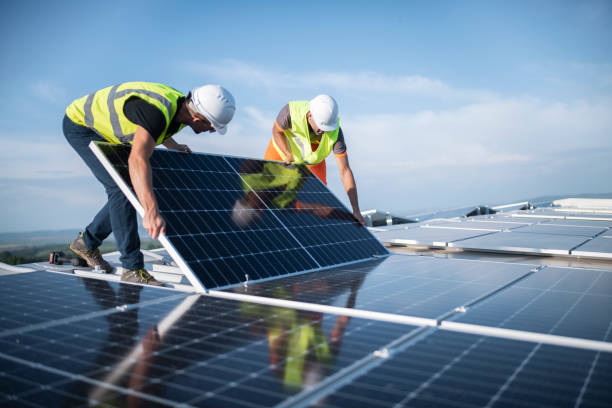
Solar energy gives homeowners an opportunity to generate electricity from sunlight while reducing dependence on conventional utility power. However, installing a solar system involves more than attaching panels to a roof. Property owners comparing solar installation companies in Pasadena CA should consider roof condition, sunlight exposure, household energy use, panel placement, electrical requirements, and long-term system performance before beginning a project.
A properly planned solar installation should match the individual property rather than relying on the same system design for every home. Quality Power Solutions provides solar installation and energy-efficient roofing services for Pasadena homeowners, with systems planned around roof structure and household energy requirements.
Start With a Home and Roof Evaluation
The first stage of a solar project should involve evaluating whether the property is suitable for solar panels. Roof condition, direction, available installation space, shading, structural strength, and surrounding trees can influence system design.
Professional residential solar installation in Pasadena, CA should begin with understanding how much usable sunlight reaches the roof and whether repairs or improvements are necessary before panels are installed.
Installing solar panels on a roof that will soon require major repairs can create additional work later. Evaluating roofing conditions early allows homeowners to address potential problems before the solar system is completed.
Determine Household Energy Requirements
Solar systems should be designed according to actual electricity usage. Homes have different energy demands depending on their size, number of occupants, appliances, air conditioning use, electric vehicles, and other equipment.
Before arranging solar panel installation services in Santa Clarita ca, homeowners can review previous electricity bills to better understand their average consumption. Contractors can use this information along with available roof space and sunlight exposure when planning an appropriate system.
An oversized or undersized system may not provide the most practical balance between energy production, available installation space, and project cost. Careful system sizing is therefore an important part of planning.
Plan Solar Panel Placement Carefully
Panel location influences how effectively a solar system can capture sunlight. Roof orientation, pitch, shading, vents, skylights, chimneys, and nearby structures should all be considered during system design.
Well-planned home solar energy systems in Pasadena, CA position panels where they can receive useful sunlight while maintaining safe access to important roof components.
Installers also need to plan electrical connections, inverter placement, wiring, mounting systems, and other components. Quality Power Solutions states that its solar installation process includes panel placement, system configuration, inverter installation, electrical integration, and final testing.
Consider the Condition of the Roofing System
Solar panels and roofing systems need to work together. Before installation, homeowners should understand the age and condition of their existing roof.
Professional solar roofing services in Pasadena, CA may be useful when a property needs roofing improvements alongside a new solar system. Combining roofing evaluation with solar planning can help prevent situations where panels need to be removed shortly after installation to complete roof repairs.
Quality Power Solutions also offers energy-efficient roofing and solar-ready roofing solutions and states that it evaluates roof structure, ventilation, and material compatibility before solar installation.
Understand the Installation Process
Once the system has been designed, contractors prepare the roof, install mounting equipment, secure the panels, complete electrical connections, and configure the system.
Homeowners should ask how long different stages may take and whether permitting, inspection, or utility coordination is required for their particular project. Requirements can vary depending on the property and system.
Experienced professional solar installers in Pasadena, CA should also explain how the completed system operates and how homeowners can monitor energy production after activation.
Clear communication throughout the project helps homeowners understand what is happening rather than treating solar installation as a simple one-day equipment upgrade.
Compare Solar Companies Carefully
Price is important, but homeowners should evaluate more than the initial estimate when comparing solar companies. System design, equipment quality, installation practices, roofing knowledge, communication, warranties, and long-term support can all influence the overall experience.
Ask contractors to explain what equipment is included, how the system size was calculated, where panels will be installed, and how electrical integration will be completed.
A detailed proposal can make it easier to compare companies based on the complete project rather than focusing only on the advertised system price.
Conclusion
Installing solar panels can be a significant home improvement project that requires careful planning. Roof condition, energy consumption, sunlight exposure, system size, panel placement, electrical work, and equipment quality should all be evaluated before installation begins.
Homeowners comparing solar installation companies in Pasadena, CA should choose a provider that clearly explains the system design and considers the specific needs of their property. Proper planning and professional installation can help create a solar energy system designed for reliable long-term performance.
Frequently Asked Questions
How does a solar company determine the right system size?
Installers generally consider household electricity consumption, available roof space, sunlight exposure, shading, panel performance, and other property conditions.
Does my roof need to be inspected before solar installation?
Yes. Evaluating roof condition before installation can identify repairs or structural concerns that may need attention before solar panels are installed.
Can solar panels be installed on every home?
Not every property has identical solar potential. Roof orientation, shading, structural condition, available space, and local requirements can affect whether installation is practical.
How are solar panels connected to a home?
Solar panels generate electricity that travels through system components such as wiring and an inverter before being integrated with the home’s electrical system.
How should homeowners compare solar installation companies?
Compare system designs, equipment, installation experience, roofing evaluation, warranties, communication, project scope, and long-term support instead of relying only on price.